Elevating Small Business Brands: Digital Marketing Strategies
A clear digital footprint and strong brand visibility empower small businesses to attract local and international customers. This guide reveals proven strategies to define, optimize and amplify your online presence while building authority through search engine optimization, content marketing, social media engagement, reputation management, website performance and emerging trends. Business owners will learn how UK SMEs can leverage local SEO tactics, the “Create, Repurpose and Distribute” model, community management, and advanced digital innovations to secure sustainable growth. Each section outlines definitions, mechanisms and concrete examples to transform visibility into trust and long-term success.
What Is Online Visibility and Why Is It Crucial for Small Businesses?
How Do Small Businesses Define Online Visibility?
Online visibility measures how easily potential customers can find a small business through search results, social media feeds and digital directories. High visibility stems from optimized website content, consistent branding and active engagement across platforms, ensuring that products and services appear in relevant queries. For example, a local bakery that ranks for “best sourdough in Manchester” demonstrates strong online presence and draws foot traffic. Businesses that invest in visibility frameworks experience increased inbound leads, setting the stage for authority building and higher conversion rates.
Why Does Online Visibility Impact Business Growth?
Online visibility fuels growth by widening the pool of prospects and reinforcing brand recognition at each stage of the customer journey. When a business consistently appears in search results for industry-related keywords, it gains repeated exposure, which translates into trust and top-of-mind awareness. A landscaping start-up that appears in local maps, social posts and review platforms captures both conscious searches and spontaneous inquiries. This cumulative exposure delivers measurable gains in organic traffic and revenue, illustrating why visibility is a foundational pillar for sustainable expansion.
What Role Does Brand Authority Play in Online Success?
Brand authority signifies a company’s expertise, reliability and leadership in its field, and it directly influences customer decisions and search engine rankings. Authority emerges from high-quality content, positive reviews, expert partnerships and transparent communication of credentials. For instance, a consultancy showcasing client testimonials and in-depth white papers positions itself as a thought leader, earning trust and higher click-through rates. Established authority accelerates ranking improvements, customer loyalty and referral growth, reinforcing the value of investing in credibility alongside visibility.
How Can Local SEO Boost Your Online Presence for UK Small Businesses?
What Are the Best Local SEO Strategies for UK SMEs?
Local SEO is a critical component for businesses aiming to attract nearby customers.
Local Search Engine Optimization Strategies for Attracting Footfall to Small BusinessesFor businesses possessing physical retail premises, online marketing strategies such as local SEO are instrumental in attracting footfall by targeting users who are searching for businesses in their vicinity. Harnessing search to…Analyzing the Impact of Emerging Digital Marketing Strategies: A Case Study on the Effectiveness of SEO, Social Media, in Small Businesses, Unknown Author, Unknown
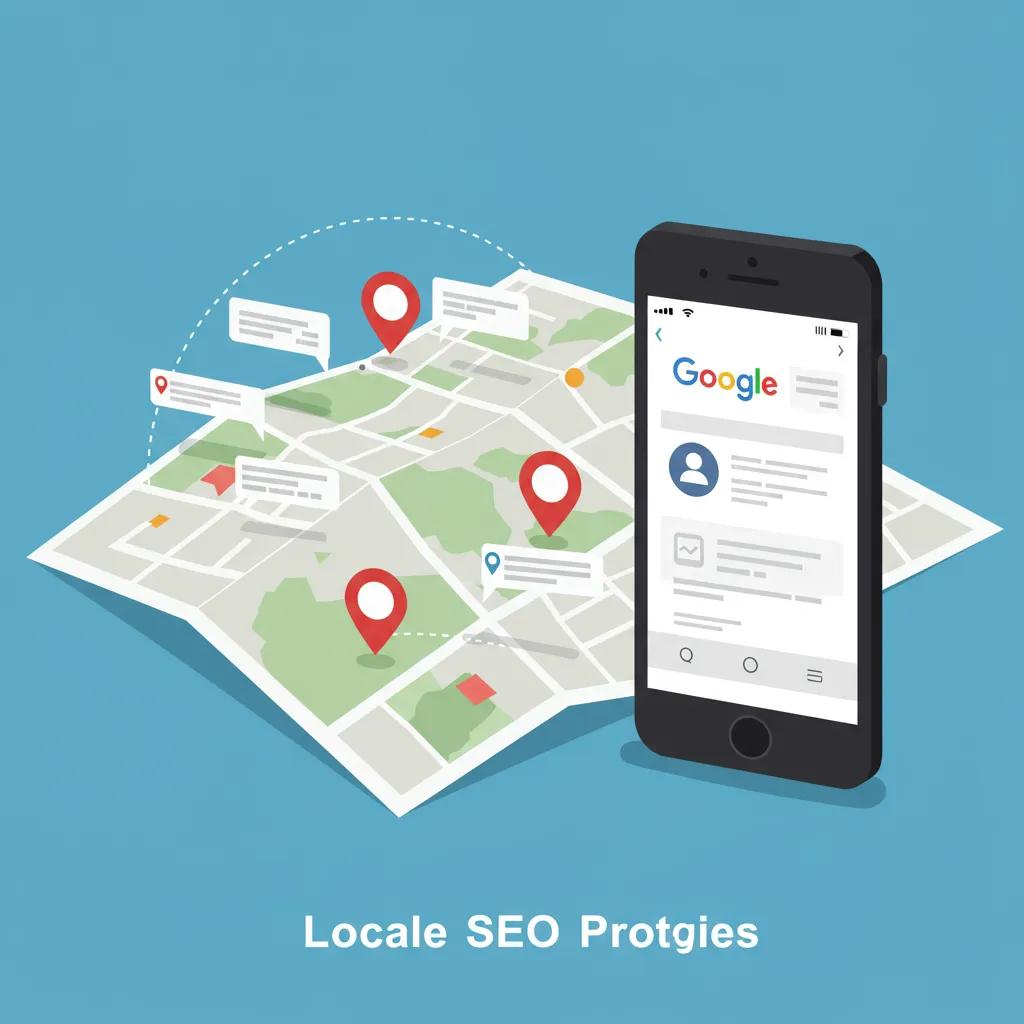
- Claim and verify your Google Business Profile with accurate business hours and service descriptions.
- Build consistent citations on local directories to reinforce name, address and phone details.
- Encourage and respond to customer reviews to signal engagement and trust.
- Create location-specific content that integrates local keywords and landmarks.
These tactics ensure that UK SMEs appear in map packs and local search features, driving footfall and calls. Implementing these strategies consistently elevates visibility where it matters most.
How to Optimize Your Google Business Profile Effectively?
- Provide complete business details, including service areas, categories and high-resolution images.
- Post regular offers, events and product updates to maintain freshness and relevance.
- Activate messaging and bookings features to facilitate direct customer interaction.
- Monitor insights to refine keywords and service descriptions based on user searches.
A fully optimized profile not only ranks higher but also converts searches into direct inquiries, solidifying local authority.
Why Are Local Citations and Reviews Essential for Visibility?
Local citations (mentions of business details on third-party sites) and customer reviews act as trust signals for both search engines and prospects. Citations validate a business’s existence and consistency across the web, while reviews offer social proof of quality and reliability. Together they boost search rankings in map results and organic listings. Positive feedback increases click-through rates and encourages interactions, reinforcing authority in local markets and attracting new customers through credible endorsements.
How to Conduct Local Keyword Research for Maximum Impact?
Effective local keyword research uncovers search terms that combine services with geographical qualifiers. Start by listing core offerings (e.g., “plumbing repair”) and pairing them with location names or neighborhoods. Analyze search volume and competition using keyword tools tailored for UK markets, then prioritize long-tail phrases such as “affordable boiler servicing in Leeds”. Incorporate these terms in page titles, headings and meta descriptions. Targeted keywords align content with user intent and amplify reach among high-value local audiences.
How Does Content Marketing Build Brand Authority and Online Trust?
Leveraging multichannel strategies is key to enhancing content marketing and organic reach.
Optimizing Content Marketing and Organic Reach through Multichannel StrategiesMultichannel repurposing strategies improved total reach scores from 5.0 to 8.0 and … these strategies can optimize content marketing, improve organic reach, and maximize audience …Optimizing Social Media Management and Content Marketing: A Strategic Approach to Meeting Organic Digital Demands, N Dixit, 2025

What Types of Content Drive Authority for Small Businesses?
How to Develop a Content Strategy That Resonates with UK Audiences?
A resonant content strategy begins with audience research, identifying pain points, preferred channels and local nuances. Map buyer personas for UK consumers, then create a calendar blending educational articles, seasonal themes and local news tie-ins. Leverage JTek Resources’ “Create, Repurpose and Distribute” model to transform cornerstone blog posts into infographics, short videos and social snippets. This approach maximizes reach, ensures message consistency and addresses UK market subtleties, fostering stronger connections with local customers.
Why Is Content Distribution Key to Expanding Your Reach?
- Share blog excerpts and visuals on LinkedIn groups to reach professional networks.
- Repurpose articles into newsletters for direct inbox engagement.
- Collaborate with local influencers to co-create content and tap into established followings.
- Syndicate high-quality pieces on niche publications to acquire authoritative backlinks.
Strategic distribution transforms content from static assets into dynamic engagement tools, extending brand presence and reinforcing subject-matter leadership.
How Do Case Studies and Testimonials Enhance Brand Credibility?
Case studies and testimonials offer tangible evidence of service quality and results, bridging the gap between claims and customer experiences. By detailing challenges, implemented solutions and quantifiable outcomes, case studies create a narrative that prospects can relate to. Testimonials provide authentic third-party endorsements that resonate with peers. Embedding these proof points within website pages and marketing materials strengthens trust signals, boosting conversion rates and reinforcing the business’s reputation as an expert provider.
What Are the Most Effective Social Media Marketing Strategies for SMEs?
How to Choose the Right Social Media Platforms for Your Business?
What Types of Social Content Engage UK Small Business Audiences?
Engaging UK audiences requires a blend of educational, entertaining and locally relevant content. Share behind-the-scenes glimpses of daily operations, regional event participation and customer success stories. Use polls and questions to spark interaction, and incorporate humor or cultural references that resonate with local sensibilities. Consistent brand voice and timely responses in comments foster community bonds and signal commitment to service, enhancing both visibility and authority.
How Can Social Media Advertising Amplify Your Online Visibility?
- Set clear objectives, such as website visits or lead generation, then choose ad formats that match your goals.
- Utilize geo-targeting to reach potential customers within specific UK regions or postcodes.
- A/B test creative elements—headlines, imagery and calls to action—to optimize performance.
- Track conversions and refine budgets based on cost-per-acquisition metrics.
Strategically executed ads supplement organic efforts, driving qualified traffic and reinforcing brand presence where it matters most.
Why Is Community Management Important for Building Trust?
Community management involves active listening, swift responses and ongoing dialogue with followers across social channels. Promptly addressing questions and concerns demonstrates reliability and care, while acknowledging positive feedback amplifies customer advocacy. A dedicated community manager fosters genuine connections by celebrating milestones, providing helpful resources and guiding discussions. This interactive approach cultivates loyal supporters who become brand ambassadors, solidifying both visibility and trust.
How Can Online Reputation Management Strengthen Your Brand Authority?
What Tools Help Monitor Your Online Reputation Effectively?
- Brandwatch for comprehensive social listening and sentiment analysis
- Mention for real-time alerts when your business is discussed online
- ReviewTrackers to aggregate and analyze customer feedback across platforms
- Google Alerts to receive notifications of new brand mentions
These solutions enable swift responses to both praise and criticism, ensuring reputation remains an active asset that supports search rankings and customer confidence.
How Should You Respond to Online Reviews to Build Trust?
Effective review responses balance appreciation, accountability and problem-solving. Thank positive reviewers by name and highlight the specific service they valued. Address negative feedback by acknowledging the issue, apologizing sincerely and offering to discuss a resolution offline. This transparent approach demonstrates commitment to customer satisfaction and discourages escalation. Consistent, thoughtful replies enhance public perception and encourage new customers to engage with confidence.
What Are Proactive Strategies for Reputation Building?
- Encourage satisfied customers to leave reviews through follow-up emails or incentives.
- Publish regular thought leadership articles and news updates to shape public perception.
- Engage in community events and highlight charitable initiatives to showcase social responsibility.
- Establish partnerships with respected industry bodies to reinforce credibility.
By creating a reservoir of positive assets, businesses fortify their brand image and cushion potential reputation challenges.
How to Prepare for and Manage Reputation Crises?
Crisis preparation involves a clear plan, roles and communication templates ready for deployment. Assemble a response team with defined responsibilities for monitoring, messaging and decision-making. Draft holding statements that express empathy and intent to investigate. Maintain a direct line of communication with affected parties and the public through press releases and social updates. Post-crisis, analyze performance, update protocols and share lessons learned. This structured process transforms potential setbacks into demonstrations of integrity and resilience.
How Does Website Optimization Enhance Your Online Presence and Authority?
What Are the Technical SEO Essentials for Small Business Websites?
How Does Mobile-First Design Improve User Experience?
Mobile-first design prioritizes the mobile user interface and content hierarchy, ensuring seamless navigation on smaller screens. When layouts adapt fluidly to device dimensions, text remains legible, buttons are tappable and images scale appropriately. This approach matches the reality that over 60 percent of UK web traffic originates from smartphones. A positive mobile experience leads to longer sessions, higher engagement and improved search rankings, which in turn elevates overall brand authority.
Why Is Website Speed Critical for Search Rankings and Engagement?
Website speed directly affects SEO performance and user satisfaction by reducing load times and frustration. Faster pages lead to lower bounce rates and improved session durations, both of which signal relevance to search algorithms. For example, reducing load time by two seconds can increase conversion rates by up to 15 percent. Prioritizing performance optimizations lays the groundwork for enhanced visibility, greater engagement and stronger credibility in the eyes of both customers and search engines.
How Can Schema Markup Boost Your Website’s Search Visibility?
Implementing schema markup adds structured context that search engines use to generate rich snippets, such as review stars, event times and product details. By defining entities like organizations, services and locations in page code, businesses guide algorithms toward accurate interpretations of content. Rich snippets enhance click-through rates by making search results more informative and visually appealing. This direct signaling of authority and relevance supports higher rankings and attracts qualified visitors.
What Advanced Digital Marketing Trends Should UK SMEs Leverage?
How Is AI Transforming Digital Marketing for Small Businesses?
AI streamlines digital marketing by automating data analysis, personalizing content and predicting customer behavior. Machine learning algorithms identify high-value keywords, optimize ad spend and segment audiences based on intent signals. Chatbots powered by natural language processing provide instant support, improving response times and customer satisfaction. By integrating AI tools, UK SMEs gain actionable insights at scale, enabling agile strategies that adapt to evolving market dynamics.
Why Is First-Party Data Vital in Today’s Privacy Landscape?
With third-party cookies phasing out, first-party data—collected directly from website interactions, subscriptions and surveys—becomes essential for personalization and targeting. This proprietary information ensures compliance with privacy regulations while preserving consumer trust. By analyzing purchase histories and engagement patterns, businesses craft tailored experiences that foster loyalty. A robust first-party data strategy empowers smarter decision-making and underpins sustainable customer relationships in a privacy-centric environment.
How Does Omnichannel Marketing Create Seamless Customer Journeys?
- Map customer journeys to identify critical interaction moments.
- Use unified customer profiles to maintain context and personalization.
- Automate triggers that guide prospects from awareness to conversion across platforms.
- Monitor performance metrics cohesively to refine channel strategies.
This integrated approach minimizes friction, reinforces brand consistency and maximizes conversion opportunities by meeting customers wherever they engage.
What Role Do Online Reviews Play in Conversion and Authority?
Online reviews act as social proof that validates product quality and service reliability, directly influencing purchase decisions. Positive star ratings displayed in search results can boost click-through rates by up to 270 percent. Reviews also populate rich results, enhancing visibility and signaling trust to search engines. Encouraging satisfied customers to share experiences and strategically showcasing feedback strengthens authority and drives higher conversion rates.
Platforms like Facebook and Google offer significant opportunities for SMEs to innovate their business models.
SMEs' Utilization of Facebook and Google for Business Model InnovationThe development of information and communication technologies (ICT) presents increasing opportunities for optimizing organizational processes and activities. This is particularly pertinent for small and medium-sized enterprises (SMEs) in relation to platforms such as Facebook and Google. SMEs can adopt readily available ICT solutions offered by these platforms for various aspects of their operations. This paper seeks to investigate how SMEs leverage the capabilities of such platforms to innovate their business models. Two case studies of Lithuanian SMEs are analyzed to validate the theoretical assumptions presented herein. The case analysis suggests that the utilization of these platforms facilitates the acquisition of (new) target customers, the refinement of value propositions, and the maintenance of customer relationships and channels. Consequently, these platforms become key resources and support key activities, thus establishing them as key partners.Use of Facebook and Google platforms for SMEs business model innovation, E Vitkauskaitė, 2017
Operating with proven digital methodologies and a data-driven approach, small businesses can transform their online visibility into a compelling brand narrative that resonates with customers and search engines alike. Partnering with an experienced agency amplifies these outcomes, guiding you through optimization, content creation, social engagement and reputation management to build lasting authority and sustainable growth.
