
Did you know that businesses using targeted business growth strategies are 70% more likely to achieve significant revenue spikes within just the first year? In today’s hyper-competitive landscape, understanding and activating the right strategies can make the difference between rapid expansion and stagnation. Whether you’re leading a small business, a startup, or an established brand, mastering the art and science of fast-growth can set you on a trajectory toward unmatched success. If you’re looking to unlock accelerated growth and maximize your revenue potential, this guide delivers actionable insights used by top-performing businesses worldwide.
Harnessing Business Growth Strategies: Unlocking Rapid Revenue Gains
Recent studies indicate that businesses employing targeted business growth strategies are 70% more likely to see revenue spikes within the first year.
Discover why understanding and implementing the right growth strategy is critical for business success today.
The main keyword—business growth strategies— captures the essence of what every thriving company seeks. Leading enterprises don’t leave growth to chance; instead, they apply proven growth strategies driven by data, market insights, and a clear vision. For example, innovative startups might use content marketing and social media to build a loyal customer base, while established companies might expand product lines or enter new markets to outpace competitors. By harnessing the right strategy, businesses can drive growth, increase market share, and consistently outperform others in their industry. This section lays the foundation for understanding what fuels rapid revenue gains and sets successful business growth in motion.

Accelerating Business Growth: Proven Strategies for Revenue Uplift
What precisely are business growth strategies—and how do they drive business grow?
The core pillars of an effective growth strategy
How to tailor business growth approaches for startups, small business and established enterprises
Actionable steps to implement business growth strategies and accelerate your revenue
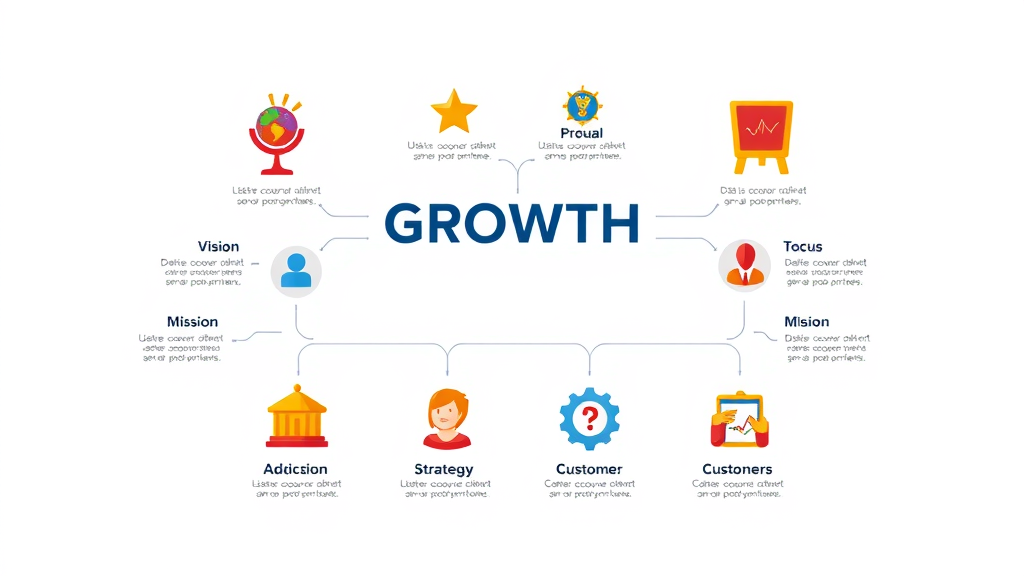
Business growth strategies are deliberate, tactical approaches that organizations use to expand their reach, enhance profitability, and dominate their market segment. At their core, these strategies revolve around key growth drivers such as market penetration, product development, or strategic partnerships. The effectiveness of any growth strategy hinges on a deep understanding of market needs, a clear vision, and a mission that aligns with long-term business goals. For startups and small businesses, agility and niche targeting fuel early success, while larger corporations win by innovating and optimizing established operations.
Effective business growth strategies aren’t one-size-fits-all. Startups might focus on leveraging digital marketing and social media to grow their customer base quickly. For small businesses, customizing growth initiatives—like local partnerships or targeted product development—lays the groundwork for sustainable expansion. Well-established enterprises, on the other hand, often drive growth through global market expansion, mergers, or product line diversification. To implement these strategies, businesses must set clear objectives, invest in market research, and rapidly execute with nimble teams. The result is an accelerated path to robust revenue streams and strategic growth.
The Fundamentals of Business Growth Strategies
Defining a Winning Growth Strategy: Key Concepts for Business Success
A growth strategy provides businesses with a roadmap for sustainable revenue and expansion. It answers fundamental questions about where to compete, how to win, and how to create lasting value. For a strategy to truly drive growth, it must be rooted in a comprehensive analysis of current market dynamics and an honest assessment of company strengths. For example, a small business might use aggressive digital campaigns to increase visibility in its existing market, while a larger enterprise could focus on capturing market share by innovating its product line or enhancing customer experience.
Winning business growth strategies integrate vision, mission, and values into every move. They enable business leaders to identify priority growth opportunities, allocate resources efficiently, and avoid wandering into unprofitable ventures. By defining a clear growth strategy early, companies lay the foundation for strong decision-making and sustained advantage—even in rapidly evolving industries. Each step, from market research to product launch, is guided by strategic objectives, ensuring alignment with both immediate revenue goals and long-term success.
Pillars of Business Growth: Vision, Mission, and Strategic Growth
A truly effective business growth strategy stands on three foundational pillars: Vision, Mission, and Strategic Growth. Vision sets the future direction and inspires the organization to aim high, while the mission grounds daily decision-making in a shared purpose. Strategic growth translates these guiding statements into concrete market initiatives—such as market penetration, product development, or strategic partnerships.
Beyond the foundational pillars, sustained business growth is only possible when companies commit to understanding shifting customer needs, investing in ongoing innovation, and building operational agility. This approach empowers businesses to quickly respond to market trends and continually fine-tune their growth strategies. Ultimately, integrating purpose-driven vision and mission with bold execution gives companies a powerful edge in pursuing new revenue opportunities.

Growth Strategies in Action: Real Business Grow Examples
Consider the powerful combination of market research, digital marketing, and personalized customer experience deployed by today’s fastest-growing businesses. For example, a regional retailer might rapidly double revenue by launching a targeted social media campaign, expanding its customer base far beyond local boundaries. A technology company, meanwhile, could achieve exponential growth by diversifying its product line, entering untapped markets, and building partnerships with complementary brands.
By adapting growth strategies to their unique environment, companies from any industry can transform potential customers into loyal advocates. These real-world examples highlight the flexibility that underpins every successful growth strategy—emphasizing the importance of data, creativity, and continual refinement to drive long-term business grow.
Types of Business Growth Strategies for Every Enterprise
Market Penetration and Market Development
Leverage market penetration to outpace competitors
Strategies to develop new markets for business grow
Market penetration is a classic business growth strategy focused on increasing your company’s share in the existing market. By ramping up marketing efforts and delivering competitive value, businesses can attract new customers without altering their products. For example, offering loyalty programs, discounts, or enhanced customer experiences can incentivize repeat business and expand the customer base. This approach allows companies to “own” a bigger slice of their current market and potentially force competitors to innovate in response.
Market development involves seeking out new geographic regions, demographic segments, or channels where your existing products or services can succeed. This strategy is particularly useful for small businesses that have saturated their original market but see opportunities elsewhere. Customizing offerings for new markets, investing in local partnerships, or collaborating with local influencers can all facilitate market expansion—and set the stage for higher revenue and sustainable growth.
Product Development and Diversification for Sustained Growth

Constantly refreshing your product line is critical for keeping customers engaged and ahead of the competition. Product development strategies focus on improving existing products or launching entirely new offerings that meet evolving customer needs. Companies that make innovation a core value are better positioned to deliver unique value propositions, thus driving rapid business grow.
Diversification takes product development a step further by encouraging businesses to enter completely new markets or industries. This high-risk, high-reward approach can yield explosive growth when executed well—think of tech giants moving into hardware or retail brands branching into digital services. Diversifying the product line spreads risk, unlocks cross-selling opportunities, and helps businesses weather market shifts, making it a strategic priority for long-term business growth.
Strategic Partnerships and Alliances: Amplifying Your Reach
Building strategic partnerships with other businesses enables companies to access new audiences, share resources, and accelerate growth. Whether you’re a small business forming alliances within your local community or a large enterprise striking global deals, partnerships expand operational capacity and market reach. Joint ventures, co-marketing campaigns, and supply chain collaborations all fall under this powerful growth strategy.
Smart leaders recognize that the right partnership can bring new technology, industry expertise, or distribution channels that would be costly to develop alone. By working together, businesses not only amplify their growth efforts but also foster innovation and resilience against market disruptions.
Harnessing Strategic Growth: Customizing for Small Business and Established Brands
Small businesses often need highly tailored business growth strategies to compete with established enterprises. These companies should prioritize agility, rapid experimentation, and deep market immersion—using customer feedback, local partnerships, and niche marketing strategies to quickly gain traction. On the other hand, larger companies can leverage their scale, brand equity, and financial muscle to pursue market development or acquire complementary businesses for strategic growth.
Whether you’re a founder launching your first product or an executive streamlining a multinational operation, choose growth strategies that complement your current position in the market, available resources, and key performance indicators. Customization ensures each growth initiative maximizes impact and minimizes risk, propelling your business toward sustainable growth.
Developing a Robust Business Growth Strategy
Analyzing Current Market Trends to Inform Growth Strategies
Keeping a finger on the pulse of market trends is essential for devising impactful business growth strategies. Industry changes, technological advancements, and shifting customer preferences can create fresh opportunities and render old methods obsolete. Conducting regular market research allows companies to identify new segments, anticipate demand changes, and adapt rapidly—key drivers for business grow.
By analyzing competitors’ moves, emerging technologies, and global economic trends, business leaders can make more informed decisions and lay the foundation for a proactive growth strategy. This process ensures that every marketing effort, partnership, and product launch aligns with up-to-date insights and rising market needs.
Leveraging Data and Customer Insights for Strategic Growth

Today’s most successful business growth strategies are grounded in robust data analytics. Everything from customer feedback and website metrics to broader industry data provides actionable insights into what drives business grow. Leveraging these analytics, companies can segment audiences, personalize offers, and optimize their marketing strategies for maximum ROI.
By continuously tracking what resonates with customers and adjusting accordingly, companies create a feedback loop that leads to increasingly effective growth initiatives. Data-driven strategies not only boost efficiency but also significantly enhance customer experience—making it easier to unlock new sources of revenue while reducing churn.
Resource Allocation and Planning for Business Growth
Resource allocation is central to turning strategic visions into market-leading results. Companies must carefully balance investment across product development, marketing efforts, and operational improvements to ensure each dollar fuels meaningful growth. This means prioritizing growth initiatives based on their projected ROI, timeline, and alignment with overall company goals.
Planning for business growth also involves building in flexibility—enabling teams to shift resources quickly as market conditions change. Whether hiring new talent, upgrading technology, or expanding distribution, effective resource management supports both immediate wins and long-term stability.
“Growth is never by mere chance; it is the result of forces working together.” — James Cash Penney
Implementing Effective Business Growth Strategies
Actionable Steps for Launching Growth Strategy Initiatives
Launching successful business growth strategies begins with goal setting and precise planning. Define specific objectives—like increasing market share in an existing market or launching a new product line—and then outline concrete actions required to reach those targets. Assign clear roles and deadlines, and appoint a project champion to keep momentum high.
Next, execute your growth strategy in phases, regularly evaluating progress with key performance indicators. Use frequent feedback loops to spot roadblocks and pivot quickly. Finally, ensure open communication among stakeholders and celebrate key milestones to build organizational buy-in and energy.
Optimizing Customer Experience for Accelerated Business Grow
A remarkable customer experience can set your business apart from the competition and drive rapid business grow. From seamless online interactions to proactive customer support, every touchpoint matters. Companies should invest in customer journey mapping, solicit feedback, and consistently act on insights to delight both new and existing customers.
By turning customers into loyal advocates, businesses build a reputation that drives word-of-mouth referrals and repeat purchases—fueling a cycle of sustained business growth and higher revenue.
Leveraging Social Media and Digital Marketing Strategies

Today’s digital era presents unparalleled opportunities for fast business grow through social media and digital marketing. Platforms such as Facebook, LinkedIn, Instagram, and TikTok allow companies to connect with millions of potential customers in real-time. By crafting engaging content, leveraging influencers, and running targeted ad campaigns, businesses of any size can dramatically raise brand awareness and generate qualified leads.
Leveraging data from digital campaigns enables rapid A/B testing and budget reallocation, ensuring marketing strategies remain agile. With the right blend of organic and paid content marketing, customer acquisition costs decrease, while customer base grows steadily.
Aligning Product Line Expansion with Market Needs
Expanding your product line should be closely tied to ongoing market research and evolving customer demands. Introduce new offerings or enhance existing products only after validating their appeal in the marketplace. Pilot programs, customer surveys, and test launches reduce risk and ensure each new product aligns with broader business growth strategies.
Regularly evaluating your product portfolio also helps identify underperformers and allocate resources to higher-potential areas, optimizing revenue and supporting long-term strategic growth.
Measuring the ROI of Marketing Strategies on Business Growth
Every dollar invested in marketing strategies should generate measurable returns. Track both qualitative and quantitative metrics—such as lead conversions, customer retention rates, and revenue boosts—to determine the real impact of each marketing effort on business grow.
Use dashboards and visual tools to monitor campaign performance in real-time and adjust tactics immediately. Measuring ROI ensures ongoing improvement and supports convincing internal stakeholders about future investments in business growth strategies.
Comparison of Business Growth Strategies: Cost, Timeline, Risk, and Revenue Potential | ||||
Growth Strategy | Approx. Cost | Time to See Results | Risk Level | Revenue Potential |
|---|---|---|---|---|
Market Penetration | Low-Moderate | 3-6 months | Low | Medium-High |
Market Development | Moderate-High | 6-18 months | Medium | High |
Product Development | High | 12-24 months | Medium-High | Very High |
Diversification | High | 18-36 months | High | Very High |
Strategic Partnerships | Varies | 6-12 months | Medium | High |
Overcoming Challenges in Business Growth Strategies
Navigating Competitive Landscapes: Market Penetration Tactics

Entering or expanding within a crowded existing market requires more than outstanding products; it demands tactical market penetration strategies. This may include differentiating your brand through superior customer experience, innovating with pricing, or deploying creative digital campaigns. Businesses must also closely monitor competitor activity, seeking out gaps or under-served customer segments to secure an edge.
Successful market penetration also hinges on consistency—maintaining a persistent presence in digital and physical channels, continually engaging your audience, and iterating quickly based on customer response. These measures help businesses outmaneuver rivals and claim more market share for sustainable growth.
Managing Risks in Product Development and Diversification
Product development and diversification can unlock significant new revenue—if executed with care. The main risk lies in overextending resources or misreading market demand, potentially undermining current operations. To manage this, companies must validate ideas with data, pilot new offerings, and only scale when initial success is proven.
Establishing cross-functional teams, seeking input from diverse business leaders, and leveraging customer insights at every stage further reduce risk. Regular reviews ensure a clear focus on value and minimize the threat of failed launches or costly missteps.
Mitigating Operational Hurdles During Strategic Growth
Operational complexity often increases as businesses implement new growth strategies. Issues like supply chain disruptions, talent shortages, or technology misalignments can hamper progress. Establishing agile processes, clear communication channels, and scalable systems is essential to overcoming these hurdles.
Regularly revisiting business processes and investing in staff development ensures teams stay aligned with strategic growth goals and capable of supporting increasing demand. Strong change management practices help build resilience and keep momentum steady as the business embarks on new growth initiatives.
People Also Ask: Unveiling Business Growth Strategies Answers
What are the 4 growth strategies?
Market penetration, market development, product development, and diversification are the four primary growth strategies used by businesses to drive expansion and increase revenue.
The four foundational growth strategies are: market penetration (growing within your existing market), market development (entering new markets), product development (creating new products for current markets), and diversification (new products in new markets). Each leverages unique strengths and addresses specific growth objectives, enabling businesses to remain agile and responsive in dynamic environments for optimal business grow.
What are the 5 stages of business growth?
The 5 stages are existence, survival, success, take-off, and resource maturity, with each stage demanding unique business growth strategies for sustained development.
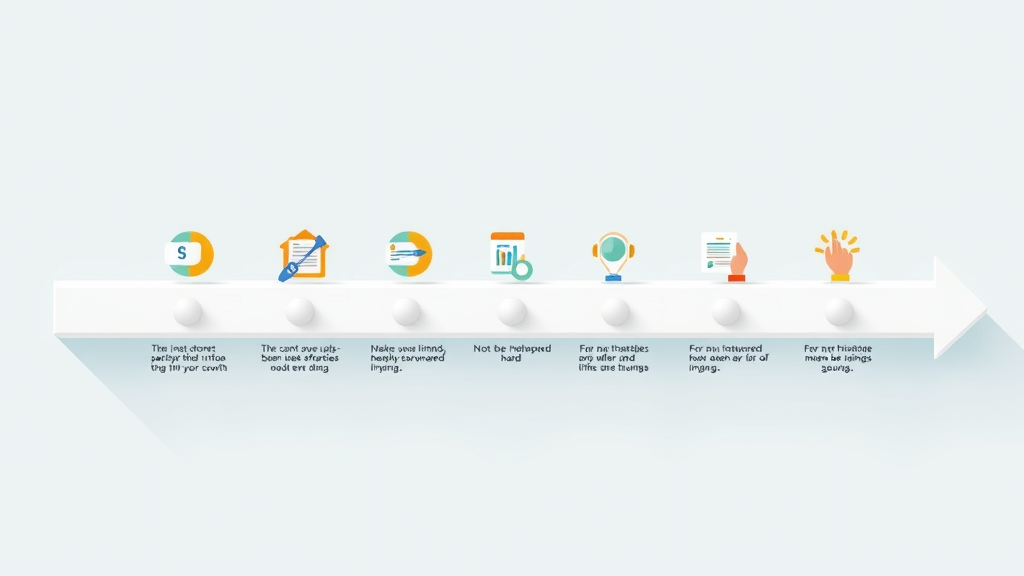
The five recognized stages of business growth include: Existence (launch and viability), Survival (proving the business model), Success (establishing profitability and stability), Take-off (rapid expansion), and Resource Maturity (managing scale and innovation). Each stage requires updated business growth strategies, from bootstrapping and customer acquisition in the early days to global expansion and operational excellence as the business matures.
How to 10X your business?
To 10X your business, use scale-ready business growth strategies like automation, aggressive market penetration, strategic partnerships, and continual product innovation.
To exponentially increase your business—often referred to as “10X-ing”—focus on growth strategies primed for scale. Invest in technology and automation, forge powerful strategic partnerships, aggressively pursue market share, and keep innovating your product line. With a commitment to customer experience and a culture of continual improvement, your business can achieve rapid and sustainable expansion.
What are the 6 business strategies?
The six common business strategies include cost leadership, differentiation, focus strategy, growth strategy, strategic alliances, and innovation-driven approaches.
The six main strategies businesses use are: Cost Leadership (becoming the low-cost leader), Differentiation (offering superior value or unique features), Focus Strategy (serving a specific market niche), Growth Strategy (expanding reach and revenue), Strategic Alliances (forming partnerships), and Innovation-Driven (prioritizing new products and services). Selecting the right mix is vital for sustainable business grow and keeping a competitive edge.
Innovative Business Growth Strategies From Industry Leaders
Case Study: How Small Business Used Digital Marketing Strategies for Explosive Growth
A local restaurant chain faced plateauing sales despite a loyal customer base. By adopting an aggressive digital marketing strategy—which included leveraging social media platforms, introducing online ordering, and running targeted ad campaigns—it quadrupled its customer reach within six months. This digital-first approach capitalized on shifts in customer experience expectations and brought significant revenue increases, demonstrating the power of agile business growth strategies in the small business arena.
The chain’s leadership credited consistent branding, data-driven campaign adjustments, and responding promptly to customer feedback as keys to their turnaround. This case underscores that even modest businesses can achieve impressive growth by aligning marketing strategies directly with market trends and technological advancements.
Case Study: Diversifying Product Line to Maximize Strategic Growth

Consider a consumer electronics company that initially focused on budget-priced smartphones. To offset stagnating growth and rising competition, leadership launched a line of smart home devices and wearables, leveraging existing distribution networks and brand loyalty. The diversification strategy yielded new revenue streams, increased customer base, and opened doors to lucrative partnerships with software firms.
By taking calculated risks, the company ensured its continued relevance and resilience, establishing best practice standards for product line expansion and cross-industry innovation.
“The best growth strategy combines agility, bold decision-making, and customer-centricity.”— Growth Strategy Expert
Best Practices for Sustaining Business Growth Strategies
Continually monitor and adapt your business growth strategy
Maintain focus on exceptional customer experience
Invest in ongoing product development and strategic growth partnerships
Utilize data-driven insights for continuous improvement
Sustained success isn’t about a single breakthrough—it’s about ongoing refinement. Regularly review strategic progress, celebrate wins, and quickly pivot where necessary. Keep your team engaged, invest in learning, and use data as your guiding star for business grow. Nurturing a culture of adaptation, customer obsession, and innovation ensures you’re always ready to seize the next big opportunity.
Remember, growth isn’t linear. Periodic challenges should be seen as opportunities to strengthen your core strategies and spark new approaches to outperform competitors over the long-term.
Essential FAQs about Business Growth Strategies
What are business growth strategies and how do I choose the right one?
How do growth strategies differ for small businesses versus large corporations?
Which business growth strategy yields the fastest financial results?
What role does customer experience play in business grow?
Can social media really transform business growth?

What are business growth strategies and how do I choose the right one?
Growth strategies are structured plans businesses use to drive growth and increase revenue. Choose the right one by assessing your company’s stage, strengths, market landscape, and available resources. Tailor your approach to address unique challenges and growth opportunities.
How do growth strategies differ for small businesses versus large corporations?
Small businesses prioritize agility and targeted outreach, often using digital channels or partnerships, while large corporations succeed with scale-focused strategies like market expansion or mergers. Customization is key to ensuring every strategy fits your business’s size and resources.
Which business growth strategy yields the fastest financial results?
Market penetration and digital marketing often produce the quickest revenue upticks, especially for businesses with established products and untapped customer segments. However, this varies by industry and the effectiveness of execution.
What role does customer experience play in business grow?
An exceptional customer experience builds loyalty, increases referrals, and boosts retention, all of which amplify growth. Focusing on customer needs should underlie every strategic decision for sustained business success.
Can social media really transform business growth?
Absolutely—social media enables direct engagement, rapid feedback, and scalable brand presence. Strategic use of these platforms can quickly build an audience, increase sales, and set your business apart from competitors.
Recap: Key Insights and Next Steps for Fast-Track Business Growth
A robust and adaptive business growth strategy is essential for rapid and sustainable revenue gains.
Evaluate, implement, and refine growth strategies consistently to outperform competitors and secure your place at the forefront of your industry.
Start now: Audit your current business growth strategy, prioritize customer experience, and mobilize your team to implement bold, data-driven tactics for revenue acceleration. To find out how we can help your business, Book a Discovery Call with one of our experts to learn if you can qualify for our Business Growth service.
