
Did you know: Companies that embrace digital transformation in business are over 26% more profitable than their peers who lag behind? In today’s fast-evolving economy, relying solely on legacy systems is a recipe for obsolescence. Businesses that fail to adapt risk losing not just market share, but their very existence. This guide delivers the actionable strategies, examples, and frameworks you need to avoid falling behind. Read on to discover how you can lead your industry, not chase it.
Shocking Realities: Why Digital Transformation in Business Is No Longer Optional
The digital landscape is transforming at breakneck speed. Companies aggressively embracing digital transformation in business have rapidly outpaced their competition in productivity, profitability, and customer satisfaction. For example, a recent report found that over 90% of executives recognize digital transformation as a top business imperative, but only 40% feel prepared to address it. This gap creates a golden opportunity for forward-thinking organizations to leap ahead.
Consider these statistics:
Businesses with robust digital strategies are 64% more likely to achieve their business goals compared to those without.
Companies that leverage artificial intelligence and machine learning see, on average, a 30% reduction in operational costs.
Successful digital transformation initiatives often lead to a 20% improvement in customer experiences and retention.

Digital Transformation in Business: Core Concepts and Definitions
What Is Digital Transformation in Business?
At its core, digital transformation in business is the comprehensive integration of digital technology into all aspects of a company’s operations—fundamentally changing how you deliver value to customers and streamline your business process. This journey goes far beyond simply upgrading old IT systems. It’s about adapting your culture, strategies, and business models, leading to enhanced agility, operational efficiency, and competitiveness.
“By 2027, more than 70% of organizations will have a formal digital transformation strategy in place.”– Gartner
As businesses shift from analog to digital, they unlock new opportunities for growth: automated business processes, smarter supply chain management, data-driven decision-making, and enhanced customer service. The era of digital business isn’t coming—it’s already here. Organizations slow to act often lose ground to more nimble, innovative rivals.
Why Digital Transform Is the Future for Modern Enterprises
The future belongs to businesses prepared to harness disruption, not avoid it. As generative AI, the Internet of Things, and cloud computing become mainstream, successful organizations lead with a digital-first mindset. They evolve their company culture to champion technology-driven solutions, invest in upskilling teams, and view change management as a competitive differentiator.

Digital transformation in business drives more than just technological upgrades—it inspires a deep shift in business models and customer interactions. By embedding digital technologies into their DNA, companies such as Microsoft and Netflix have pivoted rapidly, disrupting entire industries. If your organization isn’t continually transforming, you’re already behind those who are.
Common Myths About Digital Transformation in Business
Despite its clear benefits, many myths persist about digital transformation in business. One common misconception is that digital transform is only about installing new software or moving data to the cloud. In reality, true transformation overhaul business processes, integrates digital technology at every level, and requires cultural adoption—from executives to frontline workers.
Another myth is that only large enterprises with deep pockets can afford a successful digital transformation. However, small and medium businesses can see immense ROI from targeted transformation initiatives such as improving customer experiences or modernizing supply chains. The key is to align efforts with business goals and scale transformation strategy to your unique needs.
Finally, some believe digital transformation is a one-time project. In truth, it’s an ongoing journey that requires constant agility and a willingness to iterate as technology and customer expectations evolve.
What You’ll Gain from Understanding Digital Transformation in Business
By mastering digital transformation in business, you equip your organization with the ability to outpace disruption and thrive in changing markets. This knowledge empowers you to:
Spot high-impact digital transformation initiatives specific to your business process.
Improve operational efficiency and customer experiences by replacing outdated legacy systems with innovative technology.
Deploy practical, actionable implementation strategies that align with your transformation strategy.
Study real-world case studies from industry leaders who have successfully reimagined their business outcomes through digital transform.
The Strategic Framework of Digital Transformation in Business
How to Build a Digital Transformation Strategy That Delivers Results
“A clear transformation strategy distinguishes leaders from laggards in digital transformation.”– Harvard Business Review
Building an effective digital transformation strategy starts by mapping your current business process and identifying where digital technology will deliver maximum impact. This framework is not “one size fits all”—instead, it should reflect your unique business goals, customer needs, and operational challenges.
The best transformation strategies combine:
Vision and leadership buy-in for successful digital transformation initiatives.
Focused investment in emerging tech such as artificial intelligence and machine learning to automate core functions.
Flexible, continuous change management that can adapt quickly to evolving supply chains and customer expectations.
Key Steps in Initiating a Successful Digital Transform
To kick off a successful digital transformation, start with a clear understanding of your digital maturity and pain points. Conduct a thorough audit of legacy systems, business processes, and customer interfaces. Use these findings to prioritize transformation initiatives likely to yield immediate business outcomes.

Next, assemble cross-functional teams to drive execution. Include IT, operations, marketing, and customer service leads in planning transformation strategies. Appoint champions at every level to support buy-in and adoption. Set clear KPIs (key performance indicators) and timelines to monitor progress, iterate early, and celebrate “quick wins” to maintain momentum.
Aligning Digital Transformation Initiatives with Business Goals
Alignment is vital: even the best digital transformation initiatives will fall flat if disconnected from overarching business goals. Begin by defining what success looks like—this may mean faster product delivery, improved customer experience, or reduced supply chain costs.
Regularly revisit and refine your transformation strategy based on feedback from stakeholders and end-users. Use agile methodologies to test, learn, and pivot quickly, ensuring a steady alignment with the evolving needs of your digital business.
Stages of Digital Transformation in Business: From Awareness to Maturity | ||
Stage | Characteristics | Key Focus Areas |
|---|---|---|
Awareness | Recognizing the need for digital change | Leadership buy-in, initial assessments |
Experimentation | Pilots and early adoption of digital technologies | Quick wins, proof of concepts |
Transformation | Systematic, organization-wide digital initiatives | Process redesign, technology integration |
Maturity | Continuous innovation and optimization | Agility, data-driven decisions, scaling best practices |
Digital Transformation: The Business Imperative for Growth
Real-world success stories showcase what’s possible when organizations commit to digital transformation in business. Studying leaders across different sectors reveals best practices and tangible business outcomes achieved through innovative transformation initiatives.
Netflix: Reinvented content delivery, disrupted the media industry.
Microsoft: Pivoted from legacy software to a cloud-first digital business model.
Starbucks: Transformed customer experience through data and digital personalization.
How Netflix and Microsoft Redefined Business Process with Digital Technology

Netflix started as a DVD rental company, but by leveraging digital technologies—like AI-driven recommendations and cloud computing—they transformed how we consume entertainment. Their embrace of agile business processes and continuous improvement keeps them at the forefront of customer experience.
Microsoft’s digital transformation journey is equally dramatic. They shifted from boxed software sales to cloud-based services and platforms, embedding digital technology into every layer of the company. This pivot addressed changing customer expectations, unlocked new revenue streams, and kept Microsoft relevant through waves of disruption.
Transformation Initiative Success: Customer Experience at Starbucks
Starbucks demonstrates how powerful customer experience can be when driven by digital transformation. The company introduced mobile ordering, advanced loyalty programs, and personalized recommendations through AI—all backed by data analytics and robust digital platforms.
These transformation initiatives revolutionized Starbucks’ supply chain efficiency and consistently exceeded customer expectations, making every visit personal and seamless. Their efforts are widely cited as a benchmark for successful digital transformation.
Four Types of Digital Transformation: A Comprehensive Overview
Business Process Transformation
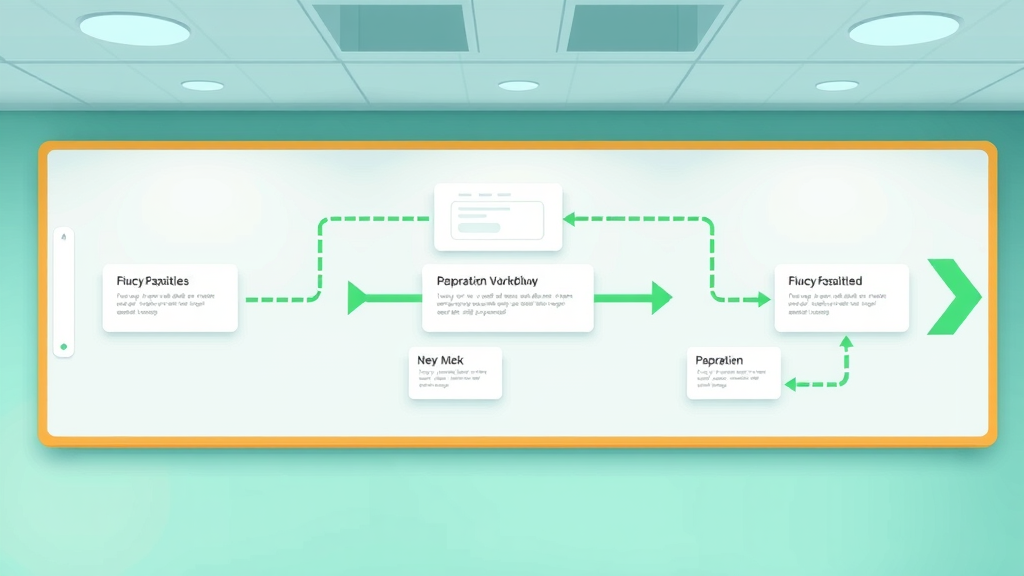
This type of digital transformation focuses on optimizing and automating core business processes. By digitizing workflows, integrating machine learning, and using real-time analytics, companies achieve faster delivery, higher accuracy, and smarter supply chain decisions.
Business process transformation is often the foundation for other types of digital transformations and can deliver immediate gains in productivity and customer service.
Business Model Transformation
Business model transformation means rethinking how your company generates value. For example, retailers moving to e-commerce platforms, software firms embracing the SaaS subscription model, or media companies like Netflix shifting to streaming all demonstrate a willingness to disrupt their traditional business in pursuit of new growth.
Digital business models introduce new revenue streams, enhance operational agility, and meet evolving customer demands.
Domain Transformation
Domain transformation occurs when a business expands into entirely new territories, leveraging digital technology to break out of their traditional sector. Amazon’s move from retail to cloud computing (Amazon Web Services) is a classic example, showing how companies can capitalize on digital capabilities to diversify and scale.
The success of such efforts rests on visionary leadership, strategic investment in technology, and the courage to challenge conventional boundaries.
Cultural/Organizational Transformation
Technology alone can’t drive a successful digital transformation initiative. True business transformation happens when company culture embraces innovation, cross-functional collaboration, and lifelong learning. This involves redefining roles, incentivizing experimentation, and fostering agile teams adaptable to rapid change.
Cultural/organizational transformation turns digital transformation from a tech project into a sustained movement that shapes the company’s DNA.
The Five Main Areas of Digital Transformation in Business
Customer Experience
Operational Agility
Culture and Leadership
Workforce Enablement
Digital Technology Integration
These five areas overlap with the four types of digital transformation discussed above—each critical for businesses aiming for long-term relevance and success.
Comparison: 5 Areas of Digital Transformation in Business vs. 4 Types | ||
Area/Type | Main Focus | Outcome |
|---|---|---|
Customer Experience | Enhancing customer journeys, service, support | Higher retention, increased satisfaction |
Operational Agility | Faster, adaptive processes | Improved time-to-market, resiliency |
Culture and Leadership | Change-ready teams, visionary leaders | Sustained transformation, empowered workforce |
Workforce Enablement | Upskilling, digital tools | Higher productivity, innovation |
Digital Technology Integration | Adoption of AI, cloud, IoT | Automated workflow, data-driven insights |
Understanding the Four Pillars of Digital Transformation in Business
What Are the 4 Pillars and How Do They Support Transformation Strategy?

The four pillars— culture, technology, data, and organizational change —are the foundation of every successful digital transformation strategy. Each pillar is essential:
Culture: Promotes agility, innovation, and embraces digital thinking at every level.
Technology: Drives business process modernization and operational efficiency through digital solutions.
Data: Fuels informed decision-making, personalization, and rapid response to emerging trends.
Organizational Change: Enables flexible structures, effective change management, and dynamic leadership.
Digital Transformation Strategy: Crafting the Blueprint for Business Success
Designing a Strategy for Successful Digital Transform

Designing a winning digital transformation strategy starts with a bold vision and detailed blueprint. Begin by assessing current gaps in technology, talent, and culture. Outline the main objectives: do you want better customer experiences, automated business processes, or to disrupt your market?
Once you have clarity, use cross-functional teams to ideate, plan, and test different transformation initiatives. Document roles, responsibilities, investment priorities, and KPIs to ensure every team member understands their impact on business outcomes.
Transformation Initiatives That Drive Sustainable Growth
Choose transformation initiatives with the highest potential for sustainable business transformation. These could include integrating advanced digital technologies, launching new digital business models, or investing in workforce enablement programs. Remember, sustainable change requires ongoing feedback, adjustments, and leadership commitment.
Continuously monitor key performance indicators to optimize for the best results and maximize ROI. The most successful digital transformation initiatives are iterative, not static.
Leveraging Digital Technology for Strategic Change
Emerging digital technologies such as artificial intelligence, generative AI, and the Internet of Things are revolutionizing industries. Leveraging these tools as part of your transformation strategy can unlock data-driven decision-making, predictive analytics, and personalized customer experiences.
Select digital technologies that fit your business needs and goals. Integrate them with existing systems to minimize disruption, and invest in digital upskilling so employees are empowered to use new platforms effectively.
Key Barriers to Digital Transformation in Business and How to Overcome Them
Common Challenges in Digital Transform

Many businesses face obstacles on their digital transformation journey. Common barriers include reliance on legacy systems, resistance to change from company culture, insufficient funding, and lack of digital skills. Organizations that ignore these challenges often stall, failing to capture the benefits of digital transform.
Cybersecurity concerns, fragmented data sets, and unclear transformation strategy can also slow progress. These hurdles require focused, deliberate action to resolve.
Solutions to Accelerate Successful Digital Transformation Initiatives
Overcoming obstacles begins with executive sponsorship, clear communication, and ongoing investment in workforce enablement. Build flexible teams dedicated to digital transformation initiatives and foster buy-in through training and transparent progress reports.
Partner with expert consultants for complex technology integrations, and pilot new solutions before scaling. Address legacy system challenges with a phased modernization plan. Above all, make change management an ongoing, core competency at your organization.
Maximizing Customer Experience through Digital Transformation in Business
Why Customer Experience Is the Heart of Every Digital Transformation Initiative
Customer expectations now set the pace for every organization. Leading businesses make customer experience the centerpiece of digital transformation strategy, building seamless, personalized, and engaging journeys across every touchpoint.
A focus on customer experience does more than improve satisfaction—it drives loyalty, word-of-mouth marketing, and rapid business growth. Innovative organizations use digital transformation to anticipate and exceed customer needs at every turn.
Tools and Technologies that Enhance Customer Experiences

Leading-edge tools such as chatbots, predictive analytics, integrated CRM platforms, and social media monitoring revolutionize customer service and engagement. These digital technologies drive real-time support, tailored product recommendations, and smooth shopping experiences—whether in person or online.
The best practice is to continuously evaluate your technology stack, seeking ways to integrate new tools that align with your customer-centric transformation strategy.
Adopt omnichannel engagement platforms to track and respond to customer interactions seamlessly.
Leverage generative AI to personalize content and automate basic support functions.
Invest in analytics to measure the impact of new digital technologies on customer satisfaction.
Metrics that Matter: Measuring the Success of Digital Transformation in Business
KPIs for Digital Transformation Initiatives

Defining and tracking the right KPIs is crucial to evaluate the success of your digital transformation initiatives. Common key performance indicators include:
Customer satisfaction and retention rates
Digital revenue growth and operating margins
Employee productivity and engagement metrics
Speed and agility of new business processes
Time-to-market for new digital technology launches
How to Assess the Impact of Your Transformation Strategy
Assess the effectiveness of your digital transformation strategy using both quantitative (KPIs, revenue, cost savings) and qualitative (customer feedback, employee engagement) data. Compare before-and-after metrics, run pilot programs, and gather input from key stakeholders to continuously refine your approach.
Impactful assessment is an ongoing process—incorporate lessons learned into future transformation initiatives to fuel a culture of continuous improvement and innovation.
Preparing for the Future: Evolving Trends in Digital Transformation in Business
Emerging Digital Technology Trends Shaping Transformation Initiatives
Staying ahead requires constant vigilance on emerging trends such as artificial intelligence, automation, edge computing, and decentralized social media platforms. These advancements are rapidly re-shaping what’s possible in digital business, from real-time supply chain optimization to immersive customer experiences.
Proactively invest in research and innovation labs, attend industry conferences, and encourage your teams to experiment with next-gen technologies.
Continuous Improvement and Business Transformation
Successful digital transformations never really end—they evolve. Prioritize a culture of continuous improvement through innovation sprints, regular feedback loops, and proactive reskilling for your workforce. Long-term competitive advantage comes from your ability to adapt, experiment, and optimize transformation initiatives in partnership with stakeholders.
As industries and customer behaviors shift, your transformation strategy should also adapt, ensuring you consistently deliver compelling business outcomes.
Practical Checklist: Digital Transformation in Business Action Plan
Define your digital transformation strategy
Map existing business processes
Identify key digital transformation initiatives
Engage stakeholders and leadership
Leverage the right digital technology
Measure outcomes and iterate
Use this checklist as a roadmap to systematically drive your transformation journey from aspiration to execution.
People Also Ask
What is digital transformation in a business?
A comprehensive reimagining of business processes and models through digital technology to increase value and efficiency.
What are the 4 types of digital transformation?
Business process, business model, domain, and organizational transformation; each addresses distinct areas of growth via digital transformation in business.
What are the 5 main areas of digital transformation?
Customer experience, operational agility, culture and leadership, workforce enablement, and digital technology integration.
What are the 4 pillars of digital transformation?
Culture, technology, data, and organizational change are the four pillars supporting sustainable digital transformation in business.
Frequently Asked Questions about Digital Transformation in Business
What sectors benefit most from digital transformation in business?
Almost every sector—from retail and manufacturing to healthcare and finance—can benefit, but industries with dynamic customer expectations or complex supply chains often see the highest impact from transformation initiatives.How long does a typical digital transformation initiative take?
Timelines vary, but most digital transformation initiatives take between 12 months and 3 years to realize full benefits. Continuous improvement extends this journey further.What is the first step in a digital transform strategy?
The first step is auditing current business processes, systems, and customer experience to identify immediate opportunities and strategic priorities.Can small businesses implement digital transformation?
Absolutely. Even small businesses can execute successful digital transformations by focusing on key areas such as customer engagement, automating manual processes, or leveraging affordable digital technologies.What are signs of a successful digital transformation in business?
Improved customer satisfaction, accelerated time-to-market, revenue growth from digital channels, and a culture of continuous innovation are all markers of digital transformation success.
Key Steps to Take Next in Your Digital Transformation Journey
Audit your current digital maturity
Develop a clear digital transformation strategy
Execute high-impact transformation initiatives
Continuously educate leaders and teams on digital technology advances
Stay Ahead: Adopt Digital Transformation in Business for Long-Term Success
Book a call with one of our professionals today to learn more.
