
Did you know that over 60% of global businesses ramped up their digital marketing budgets in 2023, and nearly half of consumers now demand deeply personalized digital experiences? If you want to lead—rather than simply survive—in today’s fast-moving landscape, you must embrace innovative strategies for digital marketing that deliver real business growth. This guide unpacks the proven methods, creative tools, and expert insights that will take your marketing plan to new heights.
Why Innovative Strategies for Digital Marketing Are More Essential Than Ever
- Did you know over 60% of global businesses increased their digital marketing budgets in 2023, while nearly half of consumers expect personalized digital experiences? Discover why forward-thinking strategies for digital marketing can be the differentiator between thriving and merely surviving.

The accelerated shift to digital has redefined what it takes for businesses to capture attention, engage target audiences, and convert interest into lasting brand loyalty. As competition intensifies across every digital channel, companies investing in comprehensive digital marketing strategies gain a critical edge. Advanced targeting, data-driven personalization, and omnichannel campaign coordination have become the new normal for effective digital marketing strategies across multiple digital channels. By adopting flexible, multifaceted approaches, organizations can not only keep up with rapid technology changes but also set the pace in their niches. Successful brands today set the bar by testing, learning, and evolving their digital marketing strategies continuously—making innovation a non-negotiable ingredient for success.
Mastering the Fundamentals: What You’ll Learn About Strategies for Digital Marketing
- Comprehensive breakdown of successful strategies for digital marketing
- How to craft an effective digital marketing strategy from the ground up
- Case studies, data insights, quotes from industry experts, and actionable tactics to elevate your marketing plan
This article will help you navigate every vital aspect of digital marketing—from foundational planning to advanced execution. You’ll uncover how to build an effective marketing strategy, select top-performing channels, leverage content marketing, harness SEO, and boost your conversion rate with precision. Real-world examples and expert commentary are woven throughout, offering you step-by-step guidance and insider secrets to achieve measurable impact. Whether launching a new brand or scaling your next campaign, you’ll walk away with a clear playbook to outperform competitors and engage your potential customers.
Defining a Winning Digital Marketing Strategy: Key Elements and Objectives
What is a Digital Marketing Strategy and Why Is It Vital?
A digital marketing strategy is a structured plan that outlines how your organization will use digital channels to achieve specific business goals. Unlike simple tactics, strategies for digital marketing combine in-depth audience understanding, cross-channel coordination, and clear measurement standards to drive consistent brand awareness and revenue growth. In today’s environment, a robust digital marketing strategy is no longer optional. It is essential for aligning all messaging, boosting return on investment, and gaining a competitive edge as online behaviors shift and new platforms emerge.
The Anatomy of Effective Digital Marketing Strategies
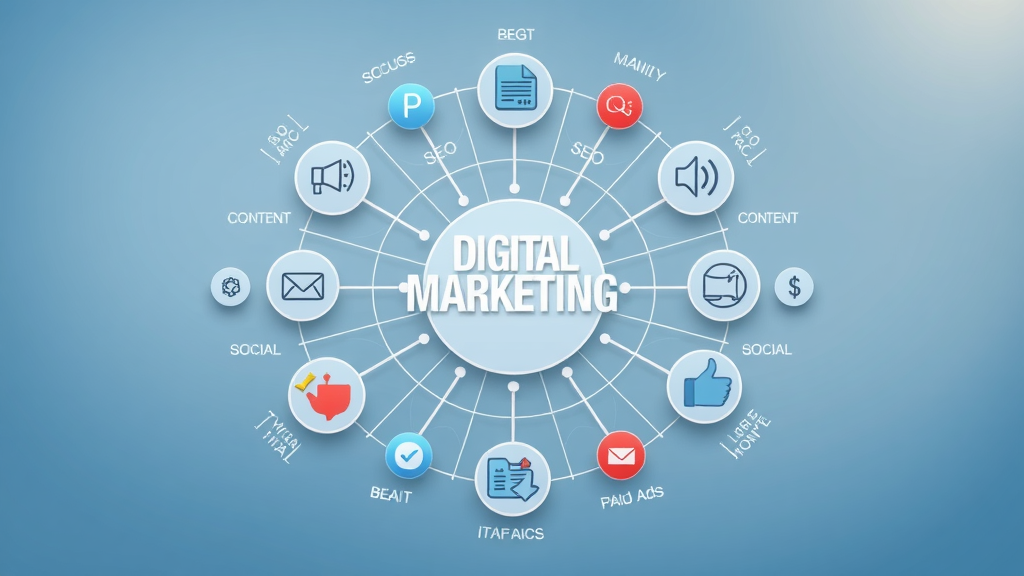
At the heart of effective digital marketing lies a careful blend of research, creativity, and analytics. Effective strategies for digital marketing are built on elements like detailed buyer personas, precise buyer journeys, bold positioning, tailored content marketing, targeted paid ad campaigns, and ongoing performance optimization. Each component—from selecting optimal digital channels to coordinating cross-channel messages—serves to move your target audience closer to conversion. Integrated marketing strategies also leverage both owned and paid media to maximize reach and influence at every touchpoint.
Setting Objectives: Aligning Your Marketing Plan with Business Growth
Goals unify your entire marketing plan and ensure every tactic serves your biggest business priorities. To set actionable objectives, start with clarity—pinpoint what you want to achieve: is it lead generation, increased sales, higher website traffic, or improved customer retention? Use the SMART framework (Specific, Measurable, Achievable, Relevant, Time-bound) so every digital marketing campaign is aligned with your company’s growth trajectory. Defining clear objectives not only helps streamline your marketing efforts but also provides the metrics by which you’ll gauge success.
Identifying and Engaging Your Target Audience with Strategies for Digital Marketing
Creating Buyer Personas to Enhance Your Digital Marketing Strategy
Understanding your target audience is fundamental for digital marketing success. Developing detailed buyer personas—including demographic data, interests, pain points, and digital behavior—lets you tailor every marketing message and campaign. Buyer personas drive more relevant content, higher engagement rates, and, ultimately, better conversion. Effective digital marketing strategies start by mapping the typical journey of a potential customer, so you can pitch the right offer, on the right channel, at the perfect stage of the buyer’s decision-making process.

Personas go beyond basic demographics; they encapsulate motivations, obstacles, and preferred digital channels, adding depth to your digital strategy. Mapping personas to the purchase process helps prioritize which marketing efforts to emphasize, whether that’s focused blog posts, targeted emails, or dynamic social media campaigns. This framework empowers every member of your team—marketers, content creators, and sales reps—to steer their communication toward the highest-impact prospects.
Audience Segmentation Across Digital Channels
Segmentation allows for laser-focused marketing, increasing the relevance and impact of each campaign. By dividing your target audience by attributes—such as location, past purchases, content interaction, or device—you can customize offers and nurture leads more effectively across digital channels. Advanced digital marketing strategies use data analytics to create meaningful audience segments for paid ads, email marketing automation, and even dynamic website content.
As your marketing plan matures, refined audience segmentation can help increase both conversion rate and customer lifetime value. Tools like CRM systems, marketing automation platforms, and robust analytics dashboards make it possible to identify micro-audiences and personalize campaigns—turning marketing efforts into scalable, predictable growth drivers.
Building a Robust Marketing Plan: Aligning Strategy and Execution
Digital Marketing: Setting KPI-Driven Campaign Goals
An effective marketing plan is built upon clearly defined, KPI-driven goals that map directly to your business objectives. Key Performance Indicators (KPIs) such as website traffic, click-through rates, cost per acquisition, and social engagement rates provide measurable targets for every marketing campaign. Setting these benchmarks helps you track progress in real time and swiftly address underperforming tactics, ensuring your digital strategy remains agile and results-focused.
Budgeting and Resource Allocation for an Effective Digital Marketing Strategy
Optimal allocation of your marketing resources is essential for scaling digital marketing efforts. Build a detailed budget covering content creation, paid ad spend, marketing software, influencer collaborations, and staffing. Analyze channel performance regularly to adjust budget allocation dynamically—investing more where ROI is highest. An effective digital marketing strategy anticipates seasonality and competitive shifts, ensuring you always have the resources needed to seize market opportunities.
Transparent budgeting also prevents wasted spend. Regular reviews of costs and outcomes help marketing pros shift funds between campaigns or digital channels, maximizing every dollar invested. Beyond budgeting for today’s campaigns, leave room for testing emerging technology and new tactics, so you can adapt quickly and keep your marketing plan on the leading edge.
Marketing Plan Integration: Cross-Channel Synergies in Strategies for Digital Marketing
The most effective digital marketing plans leverage the synergy between multiple digital channels—email marketing, social media, paid ads, and content marketing—all working in harmony. Integrated strategies for digital marketing ensure that your brand message is consistent and reinforced at every interaction. For instance, using blog posts and social media marketing together to amplify messaging, or aligning paid ad campaigns with organic search efforts to boost both traffic and conversions.
Achieving cross-channel integration requires robust project management, transparent communication, and the use of digital tools that allow seamless tracking and optimization. A strong marketing plan also includes coordinated content calendars, shared brand assets, and unified analytics—so teams can measure which combinations of channels are most effective at moving potential customers through the funnel.
Leveraging Digital Channels: The Backbone of Modern Marketing Strategy
The Role of Social Media in Digital Marketing Campaigns
Social media is the frontline of digital interaction and brand building . Platforms like Facebook, Instagram, LinkedIn, TikTok, and Twitter let you connect with your target audience instantly and at scale. Incorporating social media into your marketing plan not only boosts brand awareness but also creates dialogue, drives engagement, and fosters loyalty through consistent, authentic content.
Innovative strategies for digital marketing leverage features such as live video, user-generated content, influencer collaborations, and targeted advertising to maximize reach. By tracking platform-specific KPIs and engagement metrics, companies can fine-tune their digital strategy for each audience segment, adapting quickly to algorithm changes or trending topics.
Owned Versus Paid Media: Finding the Right Mix for Your Marketing Plan
A robust marketing strategy balances owned, earned, and paid media. Owned media—including your website, blog, email lists, and social profiles—serves as your brand’s digital home base, delivering consistent, value-driven content for the long term. Paid media, such as sponsored social posts, PPC campaigns, or display ads, delivers rapid reach and drives targeted traffic.
The key is not to rely solely on one avenue. Effective digital marketing integrates owned content marketing with timely paid ad boosts, strategically investing in platforms where your potential customers are most active. Regularly analyzing ROI across these media types allows you to adjust your marketing campaigns and double down on the most impactful digital channels.
Choosing the Optimal Digital Channels for Your Target Audience
No two audiences are alike—choosing the best digital channels for your marketing plan requires deep research into where your prospects spend their time. Younger demographics may favor TikTok or Instagram, while professionals might respond better to LinkedIn. Identify the highest-ROI platforms by tracking engagement, traffic, and conversion rates for each channel.
Don’t spread resources thin trying to be everywhere; instead, focus your marketing effort on the digital channels with the greatest potential for engagement and conversion. Consider industry benchmarks, competitor activity, and ongoing experimentation to refine your digital strategy and maximize results.
Content Marketing in Digital Strategies: Fueling Engagement and Conversion
Developing a Content Marketing Plan Aligned with Business Objectives
Compelling content is the engine of every effective digital marketing strategy. Content marketing goes beyond blogging; it encompasses videos, podcasts, case studies, white papers, and even interactive tools. Start by setting clear goals: brand awareness, lead generation, or customer education. Map content types and distribution channels to each stage of your buyer’s journey, ensuring a logical flow from discovery to conversion.
Prioritize quality and consistency by developing a content calendar, managing the creation process, and regularly reviewing performance. Content marketing works best when tightly integrated with SEO and social media strategies—helping your blog posts rank on search engines and deliver value to your audience in multiple formats.
Blogging, Video, and Social Media Content for Digital Marketing Strategies
Blog posts and articles provide an SEO foundation and establish authority, but today’s digital landscape demands variety. Video content—short-form, live streams, or explainers—drives higher engagement on platforms like Instagram and YouTube. Meanwhile, social media-specific content such as polls, stories, or memes creates conversation and community.
Diversifying your content mix maximizes reach and accommodates the different ways audiences prefer to consume information. Repurposing blog posts as infographics, or turning a webinar into a podcast series, can extend your content’s shelf life and reach wider segments of your target audience, further amplifying your marketing strategy.

Case Study: How Content Powers Successful Digital Marketing Campaigns
Consider a fashion retailer that tripled online sales by integrating a content-driven digital strategy. By publishing behind-the-scenes blog posts, partnering with influencers for video reviews, and developing interactive social campaigns, the company increased brand awareness and customer loyalty. Paired with targeted paid ads and consistent SEO, their content marketing efforts resulted in a dramatic boost in traffic and conversion rate.
This approach demonstrates the synergy between content, social media marketing, and paid campaigns — cementing content as a pivotal driver within comprehensive strategies for digital marketing.
Search Engine Optimization (SEO): Maximizing Visibility for Every Digital Marketing Strategy
SEO Foundations for Effective Digital Marketing
SEO remains the bedrock of digital marketing strategies because it connects your content to the exact search intent of your potential customers. Essential SEO foundations include website optimization, technical SEO audits, on-page keyword targeting, and authoritative link building. By consistently optimizing for the right keywords, your blog posts and web pages achieve greater visibility in search engines, resulting in increased organic traffic.
Technical SEO, Keyword Research, and Search Engine Ranking
Technical SEO ensures your site structure, loading speed, mobile responsiveness, and indexing are up to standard—critical for search engine algorithms. In-depth keyword research uncovers what your target audience actively searches for, shaping content marketing efforts and fueling paid ad campaigns with intent-driven keywords. Continuous optimization based on analytics and ranking data keeps your digital marketing strategy ahead of emerging trends and algorithm changes.

SEO and Content: The Synergy of Digital Marketing Strategies
SEO and content marketing are inseparable in a modern digital strategy. High-quality, keyword-optimized content attracts links, increases dwell time, and signals relevance to search engines, amplifying your site’s authority. Regularly publishing blog posts, FAQ pages, and educational resources helps capture new audiences while nurturing repeat visitors who trust your expertise.
Maximizing the synergy between SEO and content accelerates traffic growth and improves the conversion rate of every marketing campaign you run.
Social Media Marketing: Unlocking New Audiences and Building Brand Loyalty
Crafting Social Media Campaigns That Drive Real Results
Successful social media marketing blends creativity with strategy. Set clear goals—boosting engagement, growing followers, driving website clicks—and tailor campaigns around those objectives. Utilize platform tools (like Facebook Ads Manager or Instagram Insights) to test content types and messaging for your audience. Successful campaigns often feature bold visuals, compelling calls-to-action, and interactive elements that spark conversation.
Analyzing each campaign’s metrics, such as engagement rates or conversions, enables you to adjust strategies and optimize future efforts regularly.
Social Listening and Audience Insights in Strategies for Digital Marketing
Social listening tools monitor brand mentions, competitor activity, and trending topics, providing actionable insights for your digital marketing strategy. Understanding the sentiment and preferences of your target audience allows your marketing plan to evolve in real time—shaping content calendars and campaign themes to match the conversations happening within your niche.
These insights give marketing teams a major advantage, turning feedback into opportunities for better engagement and more relevant social media campaigns.
Maximizing Engagement Across Popular Social Media Channels
Each social platform has unique strengths—Twitter for real-time updates, TikTok for viral videos, LinkedIn for thought leadership. Maximizing engagement means tailoring your content to each platform’s audience and algorithms, scheduling posts for peak times, and participating authentically in discussion threads or industry groups.
Listen, reply, and add value with every interaction to build long-lasting brand loyalty and encourage user-generated content that enhances your marketing strategy’s reach.
Paid Ads and Advanced Digital Marketing Strategies: From PPC to Influencer Campaigns
Paid Ad Platforms: Which Deliver the Best ROI for Your Marketing Strategy?
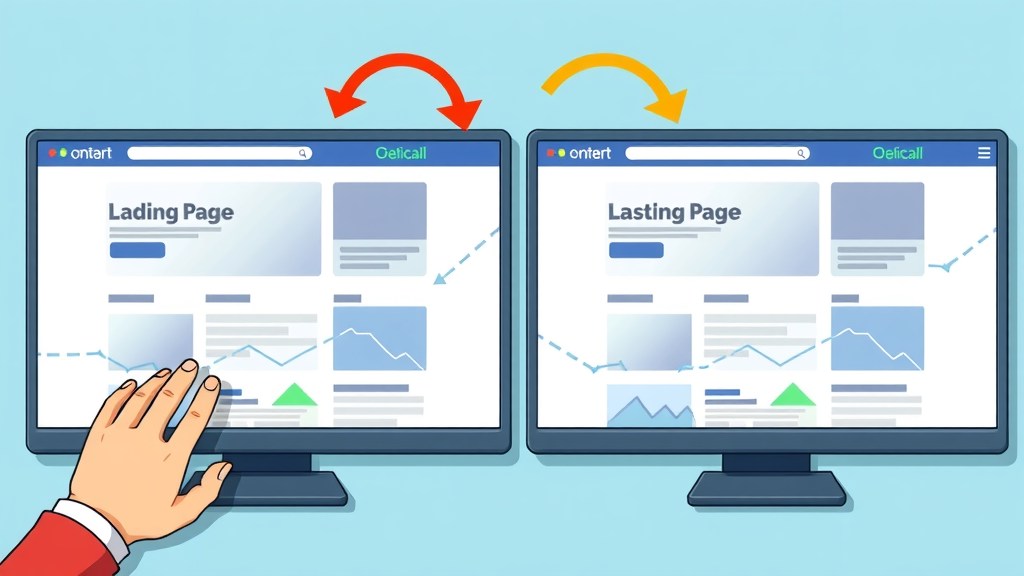
A strong paid ad strategy focuses on platforms best suited to your goals and audience. Google Ads offers broad reach and intent-driven clicks, while Facebook, Instagram, and LinkedIn provide precise demographic targeting. Analyze historical performance, ad costs, and audience behaviors to allocate budget where the return on investment (ROI) is highest. Regular A/B testing helps optimize ad copy, landing pages, and visuals for each campaign.
Balancing your paid ad spend across multiple channels safeguards your marketing budget while enabling discovery of new customer segments and scaling successful campaigns.
Influencer Marketing as an Extension of Your Digital Strategy
Influencer marketing helps brands tap into trusted voices and expand reach quickly. Identify influencers who align with your brand values and appeal to your target audience. Effective collaborations involve more than sponsored posts—they include co-creating content, hosting takeovers, and even launching exclusive product lines, all tightly integrated with your broader marketing plan.

Retargeting, Display Ads, and Innovative Paid Media Tactics
Retargeting keeps your brand top-of-mind by showing tailored ads to users who previously visited your site or engaged with your content. Display ads offer visual impact and scalable impressions, working alongside search engine ads for a multi-pronged digital approach. Advanced strategies include programmatic ad buying, native advertising, and integrating online and offline campaigns for full-funnel impact.
As you tweak your marketing efforts, analyze the conversion rate for each tactic. Invest more in high-performing ads and iterate creative formats to ensure your digital marketing strategy remains dynamic and growth-driven.
Email Marketing: Personalized Communications as a Core Digital Channel
Segmentation, Automation, and Email Best Practices
Effective email marketing depends on strong list segmentation and thoughtful automation. Group subscribers by demographic, purchase history, or engagement, and deliver personalized content that resonates at each stage of the funnel. Automated drip campaigns nurture leads consistently while triggered emails (such as abandoned cart reminders) prompt immediate action.
Optimize for deliverability by maintaining clean lists, using compelling subject lines, and keeping messages brief yet value-packed. Monitor open and click-through rates to refine your campaigns and boost engagement.

How Email Marketing Complements Your Digital Marketing Strategy
Email ties your digital channels together—serving as both a traffic driver and a conversion engine. Integrate email campaigns with your content marketing and social media efforts for maximum impact. Use surveys and feedback loops to learn more about your audience and inform future strategies for digital marketing.
When combined with robust analytics and segmentation, email marketing delivers one of the highest lifetimes ROI of any digital marketing channel.
Optimizing Conversion Rates: Turning Digital Strategies Into Measurable Results
Conversion Rate Optimization: Landing Pages and A/B Testing
Your conversion rate determines the ultimate success of digital marketing strategies. Create clean, focused landing pages for every campaign, removing distractions and emphasizing calls-to-action. Run A/B tests on page headlines, images, forms, and button text to optimize for maximum conversions.
Tools like Google Optimize and Hotjar make it easy to identify drop-off points and experiment with on-page elements. Continually test, iterate, and learn to ensure your marketing plan drives more leads, sales, or sign-ups from the same traffic.
Tracking, Analytics, and Adjusting Your Digital Marketing Campaigns
Success is measurable only if you’re tracking the right metrics. Set up analytics dashboards for every active digital channel—monitor website visits, time on page, source breakdown, and user behavior to benchmark performance. Look deeper than vanity metrics by measuring cost-per-conversion and customer acquisition costs.
Use these insights to adjust your digital marketing campaigns in real-time, reallocating resources and updating tactics to maintain peak effectiveness.
Integrating Marketing Strategies for Omnichannel Success
Unified Digital Strategy: Synchronizing All Digital Channels
A unified digital strategy means all your channels—social, SEO, content, email, and paid ads—work cohesively toward the same objectives. This synchronization enhances brand awareness, extends campaign reach, and creates seamless user journeys from discovery to purchase.
Centralized planning tools and consistent messaging across teams ensure your marketing plan operates as a seamless whole, not a series of disconnected parts.
The Role of Offline Channels in a Modern Digital Marketing Strategy
While digital dominates, integrating offline touchpoints—like events, direct mail, or sponsorships—can deepen engagement and build trust. Use QR codes, event follow-ups, or cross-promotion between online and in-person experiences to amplify your marketing efforts and create a holistic customer experience.
Blending traditional and digital channels unlocks new data insights and helps you reach a broader potential customer base.
Emerging Digital Marketing Trends and Innovation in Strategies
AI, Automation, and Data-Driven Marketing Decisions
AI and machine learning now power everything from predictive analytics to chatbots and ad optimization, making campaigns smarter and more responsive. Automated platforms analyze massive data sets, enabling you to forecast trends and customize outreach beyond what’s possible with manual processes.

The Rise of Voice Search and Interactive Content
Voice search is reshaping how users interact with search engines, requiring a fresh approach to content marketing and SEO. Optimize for conversational keywords and create interactive content—like quizzes and polls—that keeps users engaged longer. Smart devices and mobile assistants offer new channels for reaching your target audience in ways that feel natural and personal.

Sustainability and Ethical Marketing in Digital Strategies
Brands are under growing pressure to demonstrate ethical practices—transparency, accessibility, and environmental responsibility. Integrating sustainability messaging across your marketing efforts not only appeals to values-driven consumers but helps future-proof your digital strategy against shifting regulatory and social expectations.
Showcase your initiatives authentically in your content marketing, social media, and paid ad campaigns to build customer trust and foster long-term loyalty.
Measuring Digital Marketing Success: Metrics Every Marketing Plan Needs
Key Performance Indicators for Strategies for Digital Marketing
Select KPIs that matter most for your goals—these might include organic traffic, lead conversion rates, customer acquisition costs, or ROI per digital channel. Regularly monitor and report on these metrics to understand which strategies for digital marketing are delivering real results.
Using Analytics Tools to Monitor Marketing Campaigns
Platforms like Google Analytics, Facebook Insights, and HubSpot provide end-to-end visibility into campaign performance. Use data visualizations and dashboards to spot patterns, attribute conversions, and optimize marketing campaigns. Continuously analyze and pivot based on hard data, ensuring your marketing plan remains adaptive and success-driven.
| Sample KPIs for Major Digital Marketing Channels | |
| Digital Channel | Sample KPIs |
|---|---|
| SEO (Search Engine) | Organic traffic, Keyword rankings, Bounce rate |
| Content Marketing | Blog post engagement, Shares, Conversion rate |
| Social Media | Engagement rate, Follower growth, Click-through rate |
| Paid Ads (PPC) | Cost per click (CPC), Click-through rate (CTR), ROI |
| Email Marketing | Open rate, Click-through rate, Unsubscribe rate |
Overcoming Common Challenges in Strategies for Digital Marketing
Adapting to Rapid Technology Changes
The only constant in digital marketing is change. New algorithms, emerging platforms, and shifting consumer expectations require continuous learning and adaptation. Stay ahead by investing in professional development, subscribing to industry news, and participating in webinars or online communities.
Maintaining Consistent Brand Messaging Across Digital Channels
Maintain brand consistency by developing style guides, unified content calendars, and cross-channel campaign briefs. Use project management tools to ensure all marketing efforts are aligned, reducing confusion and enhancing trust with your target audience.
“The only constant in digital marketing is change. Success comes from continuous adaptation and learning.”– Leading Digital Marketing Expert
Actionable Steps: Developing Your Own Effective Digital Marketing Strategy
- Conduct a comprehensive audit of your current digital marketing strategies
- Set SMART goals and objectives aligned with your marketing plan
- Identify and prioritize your key target audiences
- Choose the right mix of digital channels for your unique business
- Develop compelling content marketing and paid ad campaigns
- Measure results and refine your strategy for continuous improvement
Real-World Case Studies: Winning Strategies for Digital Marketing
Case Study: Transforming Social Media Marketing to Boost Engagement
A boutique fitness studio revamped its social media strategy, focusing on user-generated content and influencer partnerships. By launching interactive challenges and spotlighting client success stories, they doubled engagement and increased new membership signups by 40% within six months. Their integrated approach demonstrates the power of coordinated social media marketing campaigns.
Case Study: Leveraging Paid Ad Innovations for Higher Conversion
An e-commerce business revamped its paid ad approach, mixing retargeting, A/B testing, and dynamic product ads across Facebook and Google Ads. The result was a 25% lift in conversion rates and measurable improvements in ROI—a testament to continuous innovation in paid ad and digital marketing strategies.
Expert Quotes on Evolving Digital Marketing Strategies
“Today’s digital marketing landscape demands agility, creativity, and a customer-first mindset to create meaningful connections.” – Industry Thought Leader
“Integrated digital marketing strategies align every touchpoint to the customer journey, maximizing return on investment.” – Top Marketing Strategist
Essential Tools and Resources for Building Digital Marketing Strategies
- Analytics platforms and SEO tools
- Social media management suites
- Email and automation platforms
Best Practices and Mistakes to Avoid in Digital Marketing Strategies
- Best Practices: Stay data-driven, focus on user experience, test and iterate campaigns
- Common Mistakes: Ignoring mobile users, failing to measure results, inconsistent content across channels
People Also Ask: What are the digital marketing strategies?
- Digital marketing strategies encompass a broad set of tactics including SEO, content marketing, social media marketing, paid advertising, email marketing, influencer partnerships, and conversion optimization that collectively drive measurable online results.
People Also Ask: What are the 4 digital strategies?
- The four core digital strategies typically refer to SEO, Content Marketing, Social Media, and Paid Advertising. Each plays a pivotal role in a holistic digital marketing plan for brand awareness, traffic, engagement, and conversion.
People Also Ask: What are the top 7 types of digital marketing strategies?
- The seven top digital marketing strategies are: Search Engine Optimization, Content Marketing, Social Media Marketing, Email Marketing, Influencer Marketing, Paid Ads (PPC), and Affiliate Marketing.
People Also Ask: What are the 7 marketing strategies?
- The seven fundamental marketing strategies are: Product, Price, Place, Promotion, People, Process, and Physical Evidence. These should all inform your comprehensive digital marketing strategy.
Top FAQs on Strategies for Digital Marketing
How do I choose the right digital marketing strategies for my business?
Start by assessing your business goals, available resources, and target audience behavior. Identify the digital channels where your audience spends time and analyze competitor approaches. Test multiple tactics—like content marketing, paid ads, and social media marketing—track their performance, and double down on what delivers the strongest ROI.
What is the fastest way to improve ROI on digital campaigns?
The fastest path is rigorous A/B testing—experimenting with landing pages, ad copy, and calls-to-action to find what resonates. Combine this with targeted paid ad campaigns and refined audience segmentation. Continually review analytics to reallocate budget to top-performing campaigns and optimize for the fastest wins.
How do I measure the success of a digital marketing campaign?
Measure success through well-defined KPIs: conversion rates, traffic sources, cost per acquisition, and campaign ROI. Use analytics platforms to compare results against objectives, adjusting your strategy based on real data. Reporting regularly helps uncover trends and highlights which digital marketing strategies drive business growth.
Key Takeaways: Elevating Your Digital Marketing Strategy
- An integrated, data-led approach delivers the most effective digital marketing strategy
- Continuous testing, learning, and refinement are critical to success
- Prioritize understanding your target audience across all digital channels
Ready to Grow? Take the Next Step with Expert Strategies for Digital Marketing
- Contact one of our Digital Marketing Professional at 405-225-3091 or Book a Call today for a custom plan to supercharge your digital strategy and marketing results.
Conclusion:
