
Did you know? By 2025, the global AI market in digital marketing is poised to reach a staggering $107 billion, completely redefining how brands connect, engage, and grow. Are you ready to transform your marketing strategy and unlock the growth your competitors are already chasing? In this comprehensive guide, you’ll discover the secrets behind using AI in digital marketing—a game-changer for businesses hungry for measurable results and sustainable success.
Unveiling the Power: How Using AI in Digital Marketing is Transforming Growth Rates
The landscape of digital marketing is experiencing an unprecedented shift, fueled by the rapid integration of artificial intelligence (AI). Companies adopting AI in digital marketing are consistently outpacing their competitors, leveraging the synergy of AI tools to analyze vast amounts of data, predict future trends, and automate once labor-intensive processes. From intuitive customer segmentation to dynamic content creation, marketers now have the capability to tailor campaigns, improve ROI, and boost conversion rates in ways never before possible. Real-time data analysis and predictive analytics have made it easier than ever to capture what customers want—even before they know it.
Practical examples abound: AI chatbots that provide instant customer service, generative AI that crafts high-quality content at scale, and AI-driven social media optimization that ensures the right message lands at the right time. Imagine a digital marketer adjusting their campaign in real-time based on live audience feedback or an AI tool automatically improving email open rates by learning subscriber behavior patterns. This isn’t futuristic; it’s what’s happening now among leading brands. The impact is clear: using AI in digital marketing does more than transform your outreach; it provides a direct pathway to sustainable growth and market leadership.

“By 2025, the AI market in digital marketing is expected to reach $107 billion, reshaping customer experience and marketing strategies worldwide.”
What You’ll Gain from Mastering Using AI in Digital Marketing
- Understand key trends in artificial intelligence for digital marketing
- Discover practical applications of AI tools for content creation, predictive analytics, and customer service
- Learn which AI tools digital marketers recommend
- Examine how AI enhances the customer experience and augments marketing strategy
- Explore real-world industry examples and case studies
Understanding the Foundations of Using AI in Digital Marketing
To truly capitalize on the benefits of using AI in digital marketing, it’s essential to grasp the core technologies and how they reshape contemporary strategies. Artificial intelligence, encompassing machine learning and natural language processing, unlocks new levels of automation, precision, and personalization for marketing professionals. AI technology examines patterns in consumer data, allowing digital marketers to predict trends and automate responses across various channels.
Digital marketers now rely on AI tools for content creation, audience analysis, campaign optimization, and customer service. The shift from traditional tactics to AI-powered approaches marks a profound evolution—empowering teams to deliver customer experiences that are more relevant, timely, and engaging than ever before. Integrating AI in marketing strategies means your brand can analyze massive data sets quickly, spot shifting consumer preferences, and activate targeted campaigns that maximize ROI while minimizing wasted spend. This foundation is not just technical—it’s strategic, aligning with goals to elevate every step of the customer journey.
The Evolution of Digital Marketing: Integrating AI into Strategy
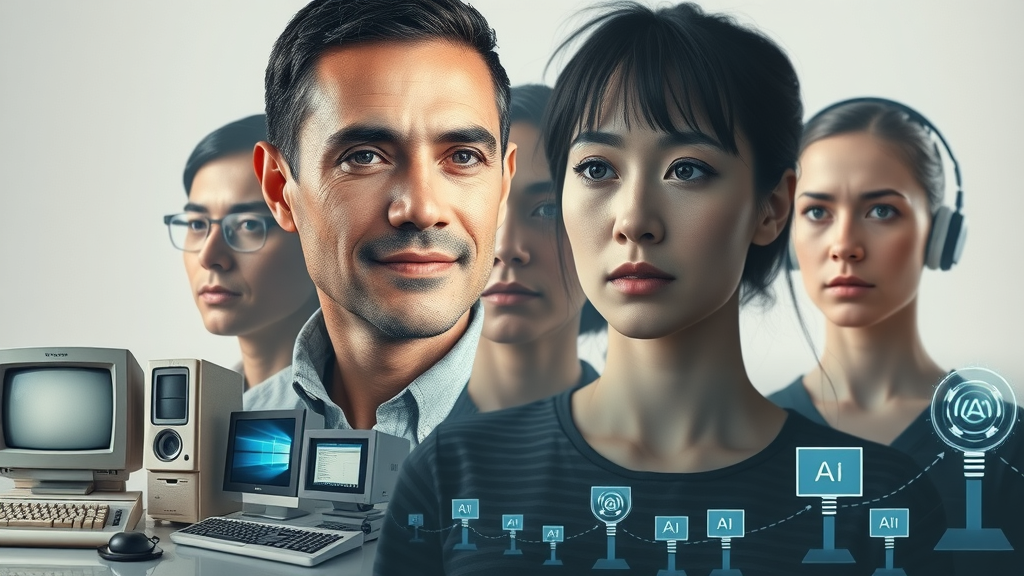
Digital marketing has evolved at a lightning pace, transitioning from simple email blasts and banner ads to complex, multi-channel strategies seamlessly informed by data. The integration of AI into marketing strategy began with analyzing consumer data and automating repetitive tasks. As AI capabilities matured, machine learning allowed tools to autonomously adapt to changing customer behavior, while natural language processing made it possible to have near-human interactions through chatbots and virtual assistants.
The timeline of this evolution shines a spotlight on a dramatic transformation: AI in digital marketing now powers predictive analytics, audience segmentation, automated content creation, and even real-time bid adjustments for ad placements. Each advancement has chipped away at inefficiencies and inconsistencies, empowering digital marketers to anticipate needs and optimize customer experiences like never before. Brands now use AI to create more personalized and persuasive messaging, leveraging technological innovations to enjoy a sustainable competitive edge.
Core Concepts: Artificial Intelligence, Machine Learning, and Their Roles in AI in Digital Marketing
At its heart, artificial intelligence refers to the ability of machines to perform tasks that typically require human intelligence—such as understanding language, recognizing patterns, and making decisions. In digital marketing, AI leverages machine learning (ML) to process and learn from vast amounts of customer data, continually refining strategies for superior outcomes. ML analyzes past behaviors to anticipate what customers might want and automates adjustments to marketing campaigns accordingly.
Key applications in AI in digital marketing include data analysis, predictive analytics, content generation, audience targeting, and natural language processing. These disciplines underpin the use of AI tools for content creation, email marketing, and social media management. By embedding these technologies into marketing platforms, brands gain unprecedented efficiency and insight, enabling agile responses in a rapidly changing digital landscape. As digital marketing evolves, understanding the interplay between artificial intelligence, machine learning, and core marketing strategy has become mission-critical for success.
Table: Comparison of AI Tools Used for Content Creation, Email Marketing, Social Media, and Predictive Analytics
| Purpose | Popular AI Tools | Key Features | Use Case Example |
|---|---|---|---|
| Content Creation | Jasper, Copy.ai, Writesonic | Generative AI for blogs, copy, ad text; language processing | Generating SEO-friendly articles rapidly |
| Email Marketing | Mailchimp, Salesforce Einstein | Personalized messaging, send-time optimization | Increasing open/click rates based on user behavior |
| Social Media | Lately.ai, Emplifi, Sprout Social | Automated post scheduling, AI content recommendations | Dynamic campaign management |
| Predictive Analytics | HubSpot, IBM Watson, Google Analytics AI | Deep data analysis, trend forecasting, lead scoring | Anticipating high-conversion audiences for targeted ads |
Artificial Intelligence Market: Current Trends and Future Outlook in Digital Marketing
The AI market within the digital marketing sector is experiencing exponential growth, propelled by innovations in AI technology and increasing business demands for smarter marketing solutions. Recent advancements in generative AI, data analysis, and automation are delivering rapid efficiencies to marketing teams worldwide. Companies are not just implementing AI to keep up—they’re using these tools to set trends and dominate their industries. New AI-powered platforms offer everything from real-time customer insights to campaign adjustments at the click of a button, providing both agility and scalability previously unimaginable.
Looking forward, we anticipate more intelligent integrations, stronger capabilities in natural language processing, and broader adoption of AI in marketing. These trends suggest that marketing professionals who adapt now will be best positioned for future success. The AI market’s trajectory points to even greater disruption, with digital marketers leveraging real-time predictive analytics, smart content generation, and hyper-personalized campaigns as standard practices.

Growth of the AI Market and Its Impact on Digital Marketing
The expansion of the AI market is truly breathtaking. Businesses integrating AI in digital marketing are not just gaining incremental improvements—they’re unlocking exponential growth. Reports indicate that AI tools have helped digital marketers increase campaign efficiency, reduce costs, and, most importantly, achieve higher conversion rates. Leading organizations are redefining customer acquisition and retention by automating processes, improving personalization, and leveraging predictive analytics to anticipate market shifts.
This impact translates into real-world results. Companies that embrace AI for email marketing, content creation, and social media management are consistently outperforming their peers. For example, predictive analytics powered by AI allows a marketing team to identify high-value leads, while generative AI can tailor content to micro-audiences quickly and efficiently. As the AI market matures, its impact on digital marketing will only accelerate—making early adoption vital for those seeking sustainable competitive advantage.
Market Leaders: Which Companies Drive AI in Digital Marketing Innovation?
As AI in digital marketing continues to evolve, certain companies stand out for their relentless innovation and market leadership. Tech giants like Google, Salesforce, Adobe, and IBM have invested heavily in integrating AI into their marketing solutions, powering everything from advanced analytics to automated customer service. These platforms are continuously refining their AI algorithms to offer marketing professionals deep personalization, improved targeting, and real-time optimizations for a wide range of industries.
In addition to these giants, specialized platforms such as HubSpot, Jasper, Mailchimp, and Sprout Social are making advanced AI tools accessible to businesses of all sizes. Their commitment to R&D ensures that even smaller brands can harness the power of AI to supercharge their marketing efforts. These market leaders set the pace, developing innovative solutions that drive the entire AI market forward—and position digital marketing professionals for ongoing success.
Key Benefits of Using AI in Digital Marketing for Businesses
Investing in using AI in digital marketing offers organizations a wealth of advantages, from higher conversion rates to more meaningful customer engagement. AI-powered strategies empower marketing teams to deliver campaigns with greater speed, accuracy, and relevance. With tools capable of processing enormous amounts of data, companies can quickly grasp which strategies are working—and which need refinement. The net result is higher ROI, more streamlined operations, and the ability to rightly allocate resources for maximum growth.
Another benefit is the level of personalization AI brings to the table, enabling brands to create individually tailored experiences that keep audiences engaged. Predictive analytics assist in forecasting trends, while automation eliminates manual drudgery so teams can focus on strategy and creativity. Ultimately, using AI in digital marketing is the shortcut to elevating every aspect of your marketing strategy—from first impression to final conversion.
How AI Enhances Marketing Strategy and Campaign ROI
AI tools transform a typical marketing strategy into a dynamic, data-driven engine. By continuously analyzing campaign performance, consumer interactions, and external factors, AI empowers marketers to make informed decisions that drive strong ROI. Optimization becomes a constant process, with artificial intelligence automatically A/B testing ad content, creative layouts, and call-to-actions to maximize results while minimizing spend.
Imagine running a marketing campaign where every next step is down to data, not gut-feeling. With AI, digital marketers gain the ability to predict customer behaviors, personalize messaging, and automate repetitive workflows. This means fewer missed opportunities, better allocation of budget, and campaigns that continuously self-improve. The result? Significant uplift in conversion rates and an overall smarter marketing effort.

Improving the Customer Experience with AI Tools in Digital Marketing
As customer expectations soar, delivering outstanding customer experience has become a top priority for every digital marketer. AI-powered tools are making it possible for brands to engage customers in real-time, resolve issues instantly, and offer highly personalized recommendations at scale. Chatbots, for example, handle routine customer service inquiries without human intervention—providing fast, accurate answers while freeing up marketing professionals for higher-value work.
Moreover, AI-powered personalization engines analyze data in real time to adapt offers, content, and messaging to each individual’s preferences. Automated segmentation, predictive analytics, and content recommendations all contribute to a seamless, engaging customer journey. This means audiences feel understood and valued—leading to deeper loyalty, higher engagement, and increased lifetime value for brands. In a digital-first world, AI is the engine driving unique, consistent, and positive customer experiences.
- Personalization at scale
- Predictive analytics for targeted campaigns
- Automation of manual marketing tasks
- Enhanced insights for content creation
“Marketers leveraging artificial intelligence see a 40% increase in customer engagement rates.”
Top AI Tools in Digital Marketing: Empowering Modern Marketers
The range of AI tools available to digital marketers is vast and powerful, covering everything from content creation to customer service automation. Thanks to new developments in generative AI and machine learning, marketing teams can now efficiently generate high-quality copy, design assets, and predictive audience analyses faster than ever. The result is a toolkit for digital marketers that enables smarter decisions, faster execution, and more compelling audience engagement.
Key platforms help automate social media scheduling, optimize email marketing, and provide real-time analytics on campaign effectiveness. AI-driven content creation tools are revolutionizing how brands craft articles, ad copy, and video scripts—reducing the manual workload and increasing content volume without sacrificing quality. For anyone serious about scaling their marketing strategy, adopting these AI tools is now a necessity, not a luxury.

Essential AI Tools for Content Creation and Generative AI
When it comes to content creation and generative AI, tools like Jasper and Copy.ai are leading the charge. These platforms leverage natural language processing to draft high-quality blog posts, ad copy, and product descriptions at lightning speed. Generative AI not only reduces turnaround time for content generation but also ensures consistency in voice and messaging across every channel. As a result, digital marketers spend less time on repetitive writing and more time refining strategy and creative direction.
Other notable content creation tools include Frase and SurferSEO, which combine content optimization and keyword research features in a single package. By analyzing top-performing content across your industry, these AI-powered platforms provide actionable recommendations to improve SEO and engagement. For brands targeting rapid growth, generative AI represents a powerful ally—capable of turning big ideas into high-performing content with minimal manual effort.
AI Tools for Social Media Management and Audience Targeting
Social media is now one of the most crucial digital marketing channels, and AI tools are making it easier than ever to master. Platforms such as Lately.ai, Sprout Social, and Hootsuite harness AI technology to automate content scheduling, analyze audience sentiment, and recommend optimal posting times. By understanding social media trends and user preferences, digital marketers can better engage followers and improve the overall impact of their campaigns.
AI-based audience targeting tools go a step further, identifying user segments and customizing messages to specific demographics. This means every ad impression, comment, or reply is informed by real-time data analysis, which increases relevancy and conversion rates while reducing wasted spend. As a result, social media managers can deliver more robust, agile, and effective marketing campaigns—achieving greater reach with less effort.

Optimizing Email Marketing with Artificial Intelligence Solutions
Email marketing, long the cornerstone of digital marketing, is now supercharged with AI solutions for smarter segmentation, timing, and content. Platforms like Mailchimp and Salesforce Einstein use AI to analyze customer behavior, identify send-time preferences, and personalize messages down to the individual user level. These advanced capabilities enable marketers to boost open rates, click-throughs, and overall ROI in ways previously unattainable with manual processes.
AI also transforms email content creation, recommending subject lines, call-to-actions, and images that are statistically more likely to elicit engagement. Automated A/B testing powered by machine learning refines campaigns further, ensuring each email outperforms the last. For digital marketers determined to stay ahead, investing in AI-powered email tools is no longer optional—it’s the foundation of every successful email marketing strategy.
- Best-in-class AI tools for digital marketers
- How generative AI is transforming content creation
- Use cases: Chatbots, VA, and virtual assistants in customer service
Designing a Futureproof Marketing Strategy with AI in Digital
Adapting your marketing approach for the future means building an agile, data-driven foundation that fully leverages the capabilities of AI. A futureproof strategy anticipates shifts in customer behavior, embraces generative AI for content development, and integrates predictive analytics at every stage of the marketing funnel. Leading digital marketers are already designing campaigns that react in real-time, maximizing reach and impact in an ever-changing digital landscape.
The key is continual iteration: analyzing performance, learning from results, and refining your approach using new AI tools. By investing in AI-enabled platforms, brands can keep up with new marketing trends, automate repetitive tasks, and ensure messaging always hits the mark. The outcome? Campaigns that are both resilient and dynamic—ready for the challenges and opportunities of tomorrow’s digital marketplace.

Data-Driven Audience Segmentation: Maximizing Campaign Effectiveness
Modern marketing success hinges on the precision of your audience targeting. AI-driven audience segmentation breaks down the overwhelming amounts of data collected from user behavior, purchase history, and social media interactions. By dividing audiences into distinct, actionable groups, digital marketers can personalize messaging and offer compelling content tailored to each segment’s interests and needs.
Data-driven segmentation uses models that continually update as new data comes in, ensuring campaigns stay relevant and effective even as trends evolve. This level of laser-focused targeting leads to higher engagement rates, improved conversion rates, and more positive customer experiences overall. Brands that master AI-based segmentation will futureproof their marketing efforts and consistently outperform less adaptive competitors.
Predictive Analytics: Forecasting Customer Behavior with AI in Digital Marketing
Predicting customer actions before they occur is no longer a fantasy—predictive analytics, powered by AI, makes it reality. This powerful approach analyzes historical customer data, identifies patterns, and forecasts future behaviors. With these insights, marketing teams can optimize their campaigns, adjust budgets, and personalize outreach long before customers make a purchase decision.
Examples abound: email marketing platforms recommending send times, social media tools identifying high-engagement windows, and content management systems suggesting topics likely to hit home. AI’s predictive prowess isn’t limited to just forecasting; it continuously learns from new data, refining its predictions and ensuring strategies remain futureproof. Forward-thinking brands use predictive analytics to spot emerging trends, launch timely initiatives, and maximize every marketing dollar spent.
Measuring Success: KPIs for Using AI in Digital Marketing
Tracking the impact of using AI in digital marketing requires clear, actionable KPIs. While standard metrics such as click-through rates and conversions remain vital, AI introduces new benchmarks—like engagement scores from AI-powered personalization, predictive lead scoring accuracy, and time saved via automation. Marketing professionals now have richer datasets to determine which channels and tactics are delivering the strongest returns.
Measuring AI-driven marketing campaigns means monitoring uplift from automations, improvements in customer service response times, and increases in customer satisfaction and loyalty. As new AI tools emerge, keep evolving your measurement criteria to ensure you’re capturing the full impact of these revolutionary technologies—and using those insights to enhance future strategies.
Challenges and Ethics of Using AI in Digital Marketing
As transformative as AI in digital marketing can be, it’s not without its challenges. Marketers must address questions of data privacy, algorithmic bias, and the responsible deployment of artificial intelligence. These ethical considerations are paramount as brands rely more heavily on customer data and automated decision-making processes. Even the most advanced AI tools require oversight and calibration to avoid unintended consequences—such as skewed targeting that reinforces stereotypes or privacy breaches that damage customer trust.
Furthermore, ensuring transparency in how data is collected, analyzed, and used is central to maintaining audience loyalty and meeting regulatory requirements. Forward-thinking digital marketers are implementing internal governance structures, regular audits, and open reporting to ensure responsible AI usage. The result: campaigns that not only drive business growth, but also uphold ethical standards and protect customer interests in an increasingly data-driven world.

Navigating Bias, Data Privacy, and Responsible Use of Artificial Intelligence
Recognizing and mitigating bias is crucial for digital marketers using AI-powered tools. Algorithms, if left unchecked, may perpetuate historical biases present in training data—resulting in unfair targeting and negative brand perception. To combat this, regular audits and diverse training datasets are essential, as is human oversight to review results and make adjustments when necessary.
Data privacy is another cornerstone. As marketing teams collect and use more customer information, ensuring compliance with global regulations like GDPR and CCPA is non-negotiable. Responsible AI use demands measures to safeguard personal data, including encryption, anonymization, and transparent consent practices. Brands that prioritize ethics build long-term trust—laying the foundation for sustainable AI in marketing strategies.
Emerging Regulations: What Digital Marketers Need to Know
The regulatory landscape for AI in digital marketing is rapidly changing. From Europe’s sweeping GDPR regulations to California’s CCPA, lawmakers worldwide are creating new frameworks to govern how AI can collect, analyze, and use consumer data. Digital marketers must stay abreast of these evolving standards—adapting processes and technologies to maintain compliance and avoid costly penalties.
In practice, this means implementing data minimization principles, providing clear privacy statements, and enabling user control over information. Consent management tools, robust data retention policies, and privacy-forward AI designs will become increasingly standard. Ultimately, understanding and embracing regulatory requirements will position marketing professionals to maintain both innovation and consumer confidence.
People Also Ask: How is AI Used in Digital Marketing?
AI Applications in Digital Marketing: Content Creation, Automation, Customer Service
AI has a growing footprint across every aspect of digital marketing, from content creation and customer service to the automation of repetitive tasks. AI-driven content generation tools accelerate the production of blogs, ad copy, and social posts, deliver insights for optimization, and personalize messages for every user. Chatbots are now the front line of customer service, resolving queries at any hour and handling a variety of requests without human intervention.
Marketing automation platforms powered by AI streamline social media postings, campaign scheduling, and performance tracking—freeing up teams to focus on creative and strategic pursuits. The most successful brands use AI to transform data into actionable strategies, ensuring relevant, resonant outreach at every customer touchpoint.
- Real-world examples of using AI for marketing campaigns
- AI chatbots in customer service
- Automating social media with AI tools
People Also Ask: Which AI Tool is Best for Digital Marketing?
Leading AI Tools for Email Marketing, Social Media, Generative AI, and Content Creation
The best AI tool for digital marketing depends on your specific goals. For content creation, Jasper and Copy.ai shine for versatility and output quality. For email marketing, Mailchimp’s AI-powered segmentation and Salesforce Einstein’s predictive recommendations are game changers. In social media, Sprout Social and Lately.ai lead with post automation and performance insights, while HubSpot and IBM Watson deliver sophisticated predictive analytics for entire marketing campaigns.
Ultimately, selecting the right AI tool means evaluating integration capabilities, user friendliness, scalability, and support. Test several options, focusing on platforms that align with your business objectives and technical ecosystem. Remember, the best tools empower digital marketers to maximize both efficiency and creativity.

- Criteria for selecting the right AI tool for your marketing strategy
- Popular AI tools and key features
People Also Ask: Will AI Take Digital Marketing?
AI’s Impact on Future Digital Marketing Roles and Opportunities
There’s a common misconception that AI will replace digital marketers, but the reality is far more nuanced. Instead of eliminating jobs, AI is augmenting the marketing profession—automating repetitive tasks while empowering teams to focus on creative strategy, complex analysis, and relationship building. New roles are emerging that blend human expertise with AI insights, opening up opportunities for marketers skilled in AI tool management, data storytelling, and ethical oversight.
The future of digital marketing is a partnership between human ingenuity and artificial intelligence. As AI takes over more technical tasks, marketers can spend more time innovating campaigns and shaping brand narratives. Rather than replace the human touch, AI enables deeper personalization and more impactful content—ensuring marketing remains both an art and a science.
- The evolving role of digital marketers with AI integration
- How AI is augmenting, not replacing, the human touch
People Also Ask: How to Start AI Digital Marketing?
Steps for Digital Marketers to Begin Implementing AI in Marketing Campaigns
Taking your first steps into AI digital marketing is both exciting and achievable. Start by identifying specific business needs—such as improved lead scoring, better content creation, or enhanced customer service—and map these requirements to potential AI solutions. Next, research and select the AI tools that best align with your marketing goals and existing platforms. Begin with pilot programs, collecting data to measure impact and fine-tuning integrations as you scale up.
Finally, invest in team training and ongoing education to ensure everyone is comfortable operating AI-powered platforms. Foster an experimental mindset: test, iterate, and optimize your use of AI in digital marketing to drive continuous improvement. Remember—AI succeeds when paired with informed, strategic, and creative human guidance.

- Identifying business needs and objectives
- Choosing the right artificial intelligence tools for your campaign
- Training teams towards AI-driven marketing success
Case Studies: Real Results from Using AI in Digital Marketing
Success Stories: Brands Leveraging AI Tools for Measurable Growth
Brands across industries are reporting remarkable outcomes after implementing AI tools in their digital marketing strategies. For example, a major ecommerce retailer used predictive analytics to optimize product recommendations—resulting in a 30% boost in average order value. A SaaS company leveraged AI for email marketing to increase campaign open rates by 40%. These real-world examples underscore the potential of AI to transform marketing outcomes, achieve measurable growth, and foster customer loyalty.
Even startups and SMEs are tapping into the power of generative AI and advanced analytics, finding new efficiencies and amplifying their competitive edge. From reducing customer service costs with chatbots to using AI-driven content creation for rapid campaign launches, the evidence is overwhelming: using AI in digital marketing delivers results. The most successful brands aren’t just deploying AI—they’re continually evaluating performance data, learning from real-world results, and expanding their adoption as technologies advance.
Table: Case Study Highlights—Campaign Type, AI Tools Used, Results Achieved
| Brand | Campaign Type | AI Tools Used | Results Achieved |
|---|---|---|---|
| Retailer X | Personalized Product Recommendations | Predictive Analytics, Recommender Systems | +30% Average Order Value |
| SaaS Company Y | Email Marketing Automation | Mailchimp AI, Natural Language Processing | +40% Email Open Rate |
| Travel Brand Z | Customer Service Chatbots | AI Chatbots, Virtual Assistants | -25% Cost per Support Case |
| Agency Alpha | Generative Content Creation | Jasper, Copy.ai, SurferSEO | 20x Increase in Content Output |
“AI-driven marketing campaigns have resulted in up to 3x increases in conversion rates for leading global brands.”
Practical Checklist: How Digital Marketers Can Integrate Using AI in Digital Marketing
- Assess current digital marketing strategies
- Identify potential AI use cases
- Pilot AI tools for content creation and campaign automation
- Measure performance and optimize for growth
5 Proven Tips for Using AI in Digital Marketing:
- Leverage data analytics for personalized messaging
- Integrate chatbots for instant customer service
- Automate email marketing campaigns with AI
- Use generative AI for engaging content creation
- Track KPIs to measure impact and iterate
Frequently Asked Questions
- How does AI personalize the customer experience in digital marketing?
- AI powers dynamic personalization by analyzing user data—such as browsing history, purchase behavior, and preferences—to deliver tailored recommendations, content, and messaging. This creates a more relevant and engaging experience, making customers feel valued at every digital touchpoint.
- Which industries are leading in adopting AI for digital marketing?
- Commerce, travel, financial services, and technology sectors are at the forefront of AI adoption in digital marketing. These industries leverage AI for everything from targeted advertising to chatbots and predictive customer insights, driving higher efficiency and improved ROI.
- What is the cost of implementing AI tools for marketing strategy?
- The cost varies widely depending on the tool, scope, and complexity—ranging from affordable monthly subscriptions for small businesses to substantial investments for enterprise-scale AI solutions. Many platforms scale with usage, allowing brands to start small and expand as value is demonstrated.
- How can digital marketers ensure data privacy while using AI?
- Marketers must follow regulatory requirements, implement transparent consent policies, and use data minimization techniques. Regular audits and robust data protection measures—like encryption and anonymization—help ensure ongoing privacy and compliance with data usage laws.
Final Insights: Embracing the Future of Using AI in Digital Marketing for Your Business Growth
“Digital marketers who adopt artificial intelligence today are shaping tomorrow’s industry standards.”
- Embrace AI for competitive advantage in digital marketing
- Keep updating marketing strategy with emerging AI tools
- Ensure balance between automation and personalization
- Educate your team on responsible AI practices

Ready to Revolutionize Your Marketing? Explore AI Solutions Today
Take action now—integrate AI into your digital marketing strategy and unlock exponential growth. Equip your team, experiment with leading AI tools, and stay ahead in today’s competitive landscape.
Action Step: Evaluate your current marketing approaches, test AI-powered tools, and commit to ongoing learning to stay ahead in the digital marketing revolution.
