
- Did you know that over 60% of leading marketers are using AI in SEO strategies to gain a competitive edge? As artificial intelligence rapidly redefines search engine tactics and SEO tool capabilities, the way we optimize content is evolving like never before. This article delves deep into how using AI in SEO can skyrocket your search engine rankings and reshape the future of search engine optimization.

Unveiling the Power of Using AI in SEO: A Personal Perspective
- Explore how using AI in SEO is revolutionizing the approach to search engine optimization. Gain insights through real-world scenarios and surprising industry impacts.
Begin with the undeniable fact: AI SEO is changing the game for digital marketers. What was once an intricate, manual puzzle is now a streamlined process thanks to artificial intelligence. As someone immersed in the evolution of engine optimization, I’ve witnessed firsthand how AI tools are helping teams rethink their strategies, making sense of massive data streams and optimizing search engine performance with unprecedented precision.
Imagine starting your day by letting an AI tool scan your website, suggest keyword upgrades, and even flag ranking drops before traditional analytics catch on. AI SEO isn’t about replacing expertise; it’s about enhancing your intuition with real-time analytics and predictive capabilities. From content audits that pinpoint what your audience truly wants to see, to generating high-quality, intent-focused SEO content at scale, the impact is profound. In this article, you’ll see not just industry data but also the lived reality of integrating AI SEO in fast-paced digital campaigns, and how it can transform your workflow—and your results.
How Using AI in SEO is Redefining Search Engine Optimization
- Discover core concepts: From keyword research automation to AI-powered content creation, understand how artificial intelligence is elevating SEO tool utility and search engine outcomes.

At its core, using AI in SEO represents a paradigm shift. Traditional SEO tools rely on static databases, manual research, and repetitive tasks. AI, on the other hand, leverages machine learning and natural language processing to continuously collect and interpret vast data sets. This means that every aspect of search engine optimization —from keyword discovery to content optimization—becomes faster, more accurate, and more adaptive to dynamic search trends.
One of the greatest breakthroughs is in automating keyword research. Instead of hand-picking keywords, AI tools now analyze the top-ranking pages, predict emerging search terms, and prioritize based on real-time opportunity. Meanwhile, generative AI can now create content drafts that already align with desired search intent, helping marketers accelerate output without sacrificing relevance. This scalability adapts well to evolving SEO strategies, enabling brands to stay ahead of competitors in a fast-changing landscape. Moreover, AI-powered SEO tools digest user behavior, analyzing click patterns and modifiers to interpret user intent —the crux of effective SEO content.
As search engines evolve, so does the complexity of their ranking algorithms. This is where AI’s true value shines. By processing millions of SERP variables in seconds, AI-driven SEO tool suites allow you to pivot, adapt, and out-rank slower competitors. What once took days now takes minutes—elevating both strategy and outcome in the age of artificial intelligence.
| Traditional SEO Tools | AI SEO Tools | |
|---|---|---|
| Speed | Manual and time-consuming | Automated and nearly instant |
| Accuracy | Subject to human error | Data-driven, continuously refined with machine learning |
| Adaptability | Slow to react to search engine updates | Rapid response to algorithm shifts and search trends |
| Cost | Labor-intensive, long-term | Initial investment with ongoing efficiency savings |
Key Benefits and Breakthroughs of Using AI in SEO
- Highlight rapid data analysis, better understanding of user intent, enhanced content creation and optimization, and cost reductions. Real stats on ranking improvements through AI SEO applications.
The most immediate benefit of AI SEO is speed. AI tools analyze thousands of data points in a fraction of the time, identifying SEO performance opportunities that even seasoned experts may overlook. With AI, you can discover what’s driving competitor rankings, spot gaps in your content, and react to search engine algorithm updates almost instantly. This capability isn’t just accelerating workflows—it’s driving measurable results, such as brands reporting up to a 30% increase in organic traffic within months of adopting AI-driven solutions.
Beyond speed, artificial intelligence enhances accuracy. By learning from user behavior and search intent, AI SEO tools can recommend precise adjustments tailored to what your audience is seeking. This not only reduces guesswork but also optimizes every piece of generated content for higher relevance and engagement. Content creation powered by AI produces rich, structured articles that match Google’s E-E-A-T (Experience, Expertise, Authoritativeness, Trustworthiness) guidelines, elevating both trust and visibility in search results.
Cost is another area where AI shines. Automating repetitive SEO practice tasks like keyword research and technical audits means less manual effort and lower expenses, especially for agencies managing multiple client accounts. Businesses report both improved ROI and faster content turnaround by letting AI handle the heavy lifting while humans focus on strategy. In the race for page-one rankings, this blend of efficiency and precision cannot be overstated.
“Artificial intelligence has provided us with unprecedented precision in search engine optimization. It's not just an evolution—it’s a revolution.”
AI SEO in Action: Real Examples of Successful Engine Optimization
- Showcase case studies demonstrating the use of ai tools and generative ai for improved SEO content, keyword research, and generated content targeting specific search intent.
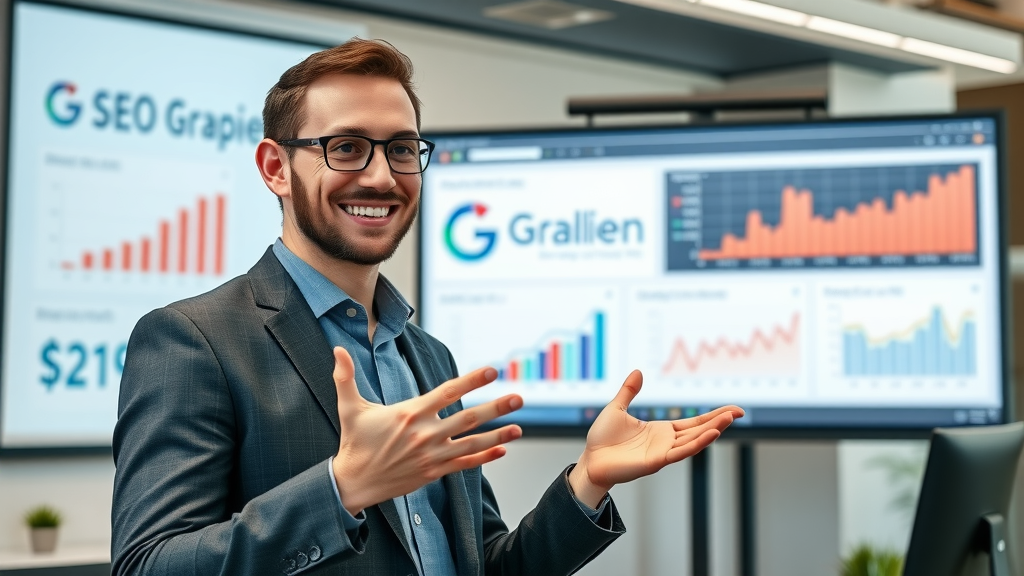
Consider a global e-commerce brand struggling with plateauing organic search traffic. By introducing an AI tool specifically designed for SEO strategies , they automated their keyword research and implemented AI-powered content creation for thousands of product pages. The AI system adjusted content, optimized metadata, and tracked user intent signals in real-time. Within three months, the site saw headline rankings for over 500 new keywords and a 20% boost in conversion rates.
In another case, a B2B finance site used generative AI to create explanatory blog posts tailored to specific search intent. AI analyzed the questions their audience was already asking, then generated in-depth articles that matched not just keywords but context. As a result, their organic traffic doubled, and bounce rates fell dramatically due to better-aligned content which matched user experience expectations.
Even small businesses are reaping the rewards. A local services provider leveraged an AI-powered SEO tool to monitor search result fluctuations and automatically recommend on-page changes. With AI handling optimization and competitive analysis, the business climbed from page three to the top five results in a matter of weeks—an outcome previously thought achievable only by major brands with dedicated SEO teams.
Common AI Tools and SEO Tools Powering Modern Strategies
- Profiles of leading ai tool and SEO tool providers—features, capabilities of generative ai, automation, and data processing that power keyword research and content creation.
| AI Tool | Key Features | Best For |
|---|---|---|
| Surfer SEO | Content optimization, on-page audit, SERP analysis, keyword research automation | Comprehensive content creation and optimization |
| Jasper | AI content generation, tone selection, topic expansion using generative AI | Generated content at scale |
| Clearscope | Semantic keyword suggestions, content scoring, user intent insights | Optimizing articles for search intent |
| MarketMuse | AI content planning, research automation, performance tracking | Long-form SEO content strategy |
| Frase | AI-driven research, competitor analysis, FAQ suggestions | Fast blog and knowledge base creation |
From Keyword Research to Generated Content: AI’s Role Across The SEO Spectrum
- Step-by-step outline of how AI tools assist in keyword research, SEO strategies, SEO content development, and consistent optimization based on evolving search engines and user intent.
- Keyword Research: AI tools automate the process, scanning millions of queries for gaps, volume, and intent signals.
- Content Creation: Generative AI drafts articles, optimizes headings, and ensures topical relevance.
- Content Optimization: AI audits meta tags, internal links, and enhances readability for search engine algorithms.
- Performance Monitoring: Real-time AI dashboards highlight shifts in rankings and suggest data-driven tweaks.

Each of these phases allows ai for SEO to support marketers at every stage of the SEO practice. Instead of running dozens of separate software platforms, you can now use a single AI tool suite that integrates with your website and analytics dashboards. The outcome is a streamlined, data-centric workflow where search engines are no longer black boxes, but systems you can optimize for with surgical precision.
As search engines adapt, so too do successful SEO strategies. AI not only enables more granular targeting of keywords, but it also continually refines your strategy based on live data. This is critical for remaining resilient in an environment where rankings shift with every Google update, and where user intent can pivot on a dime.
Practical Tips for Using AI in SEO to Boost Engine Optimization
- Offer actionable strategies for integrating ai SEO into your workflow. Address how to select the right ai tools, analyze SEO content, and interpret analytics for ongoing refinement.

Begin by auditing your current stack: identify where you spend the most time—whether keyword research , competitive analysis, or content creation —and seek an AI tool built for efficiency in those areas. The right SEO tool should integrate with existing workflows and offer clear, actionable insights rather than overwhelming data dumps. Start small with a pilot campaign, applying AI to a select set of pages or a single workflow. Track measurable outcomes, such as keyword movement or content engagement.
As you scale, focus on training your team to interpret AI-generated suggestions—especially for nuanced tasks like user intent alignment or tone adaptation in SEO content. Combine human review with AI analytics to guard against low-quality generated content or unintentional errors. Use built-in analytics to inform not just technical optimization but your bigger-picture SEO strategy, ensuring continuous improvement as search engines and audiences change.
Finally, prioritize flexibility. The AI landscape evolves rapidly, so choose AI tools with strong support, ongoing updates, and transparent roadmaps. Don’t be afraid to experiment—iterative learning, powered by AI analytics, is what will keep your site at the top of the search results.
“Leveraging AI in SEO is about synergy—man and machine collaborating to create relevant, intent-focused content faster than ever before.”
Challenges and Limitations: Is AI Hurting or Helping SEO?
- Balance the discussion by revealing the potential downsides of generated content, issues with user intent misunderstanding, and ethical debates about automation and originality.
While using AI in SEO unlocks powerful advantages, there are pitfalls to avoid. One major concern is over-reliance on generated content. Automated articles can lose nuance, sometimes missing the subtlety of human SEO content creation and inadvertently repeating information already saturating search engines. There’s also the risk of AI misreading user intent, especially when new trends or search patterns emerge outside of its learned data.
Ethical debates are heating up, too. Some worry that excessive automation could erode originality and make the web less useful by flooding it with generic, AI-produced pieces. For brands, this means investing extra effort in quality control, review processes, and continuous learning to ensure engine optimization adds genuine value rather than noise. Furthermore, automated content may skirt close to search engine optimization penalties if not monitored carefully for plagiarism or spammy structure.
The best practice? Use AI as a springboard, not a crutch. Ensure that your strategy includes both AI-driven insights and the distinctly human touch—creativity, critical analysis, and ethical oversight. By blending the speed of AI with the wisdom of human marketers, you can circumvent many of these emerging challenges.
What You Need to Know Before Fully Embracing Using AI in SEO
- Critical considerations: data privacy, evolving search engine algorithms, safeguarding uniqueness in content creation, and ensuring optimal ai tool selection.
Before you dive headfirst into AI SEO , remember that no tool is a silver bullet. Safeguard your data privacy by vetting providers who comply with strict privacy protocols—especially if you handle user data. Stay alert to ongoing search engine algorithm changes; AI tools that aren’t regularly updated may lag behind new Google guidelines or miss critical ranking factors.
Always personalize generated content to reflect your unique brand voice and avoid the trap of bland, repetitive articles. Content that’s both AI-optimized and authentically human remains the gold standard in engine optimization. Finally, trial multiple platforms before locking into a yearly license— AI tools should fit your workflow, budget, and goals as seamlessly as any member of your marketing team.
Mastering AI-Powered SEO: Unlocking Unparalleled Ranking Gains
“Future search engines will not only understand queries—they’ll anticipate them, customizing search results using advanced machine learning.”
- Predictions for ai SEO, generative ai in search, and the evolution of engine optimization standards.

Experts agree that AI SEO is only scratching the surface of what’s possible. In the near future, search engines will use ever-deeper machine learning to not only match but anticipate search intent, providing hyper-personalized results and even conversational responses. Generative AI will aid in creating dynamic content that adapts in real-time to news cycles, user sentiment, or regional dialects.
This predictive evolution means that the boundaries between search engine optimization , content marketing, and even social media will blur. Marketers will need to master both the art and science of AI: leveraging data, ensuring originality, and protecting privacy. As algorithms mature, engine optimization will require even sharper ethical decision-making around automation, disclosure, and content intent.
For business owners and creators, the message is clear—stay ahead by cultivating technical adaptability and a strong creative vision. Those who combine AI for SEO expertise with authentic human storytelling will dominate the digital landscape in the years ahead.
- A brief video overview illustrating the basics of AI SEO, AI tools, keyword research automation, and search engine optimization enhancements via artificial intelligence.
- Demonstration video showing how to apply leading AI tools for keyword research, content creation, and competitive SEO strategies.
- Real-world case video showing how companies are leveraging ai SEO and ai tools for rapid ranking gains and more effective search engine optimization.
People Also Ask: Can SEO be done by AI?
- Explore how artificial intelligence is performing or supporting various SEO tasks such as keyword research, content creation, on-page optimization, and competitive analysis, and to what extent full SEO automation is currently possible.
AI can now manage many SEO activities — from automated keyword research and content optimization to competitor analysis and technical audits. While AI streamlines and improves accuracy in these areas, it isn’t fully autonomous. Human intervention is still required for strategic decisions, creative nuance, and ethical oversight. In fact, most leading SEO practice workflows now depend on the synergy between human marketers and their AI-powered tools.
People Also Ask: How do you use AI for SEO?
- Detailed breakdown of integrating ai tools and techniques (like generative ai, machine learning, and data analysis) into existing SEO strategies from content creation to performance tracking.

To use AI for SEO, start by deploying AI tools to automate keyword research and surface valuable content gaps in your market. Use generative AI to produce SEO-optimized drafts, FAQs, and on-page enhancements tailored to user intent . Integrate machine learning analytics platforms to continually monitor performance and adjust your SEO strategy based on real-time feedback. Most importantly, pair AI-driven recommendations with human creativity to ensure each piece of SEO content feels unique, valuable, and brand-aligned.
People Also Ask: Is AI hurting SEO?
- Objective examination of any risks posed by using ai in SEO: over-automation, low-quality generated content, and the balance between AI input and human creativity.
While AI brings remarkable efficiency, there’s risk if oversimplified: low-quality generated content may saturate search engines and fail to engage users. Overly automated workflows can impair originality or misinterpret user intent, damaging both rankings and reputation. The optimal approach is blending AI’s speed and analytical prowess with ongoing human input and creative oversight, ensuring your site rises above generic, AI-only competitors in the search result.
People Also Ask: Is there any AI tool for SEO?
- Catalog of current AI tools designed for SEO, their features, potential benefits, and market leaders in the field.

The market is full of specialized AI tools for SEO, such as Surfer SEO, MarketMuse, Jasper, Clearscope, and Frase. Each offers unique capabilities—from generative content creation to predictive analytics and real-time optimization. The best SEO tool depends on your goals: choose solutions that integrate smoothly, provide actionable insights, and adapt to emerging search engine updates for the best long-term value.
Frequently Asked Questions About Using AI in SEO
- Can AI fully replace human SEO experts?
No. While AI automates technical tasks, human expertise is indispensable for interpreting nuanced user intent , creative strategy, and adapting to new search behaviors. - What is the best AI SEO tool for beginners?
Tools like Surfer SEO and Clearscope offer user-friendly interfaces and actionable guidance, making them ideal for newcomers to AI-powered SEO strategies. - How does generative AI affect SEO quality?
Generative AI boosts productivity and relevance in SEO content, but quality depends on human editing and review. Original insights and context come from skilled marketers and writers. - What is the future of AI in search engine optimization?
Expect smarter engines driven by machine learning that predict queries and tailor search results—making advanced AI for SEO an essential part of every effective SEO strategy.
Summary: Key Lessons on Using AI in SEO for Maximum Search Engine Optimization
- Critical takeaways—AI excels in data analysis, personalization, and speed, but human oversight, ethical considerations, and creativity remain indispensable for sustainable SEO strategies.

AI SEO turbocharges data analysis, content personalization, and speed. However, sustainable engine optimization depends on human expertise, ethical safeguards, and creative vision. For long-term results, always blend the power of AI tools with your unique marketing instincts and storytelling strength.
Ready to Boost Your Search Engine Rankings? Elevate Your Engine Optimization with AI SEO Tools
- Emphasize the significance and urgency of adopting AI in SEO to stay ahead of competitors. Encourage readers to experiment with leading ai tools tailored for search engine optimization, driving superior ranking results and opening up new possibilities for content creation.
The future of search engine optimization is here. Don’t let your competitors outpace you—embrace using AI in SEO to unlock better rankings, sharper insights, and a more dynamic digital presence. Try a leading AI SEO tool today and watch your organic growth soar!
Take Action: Book a Call
Ready to appear bigger and bolder in searches? Book a call with one of our professionals today to learn more and get expert assistance in increasing your local business visibility for 2025.
